DISTRIBUTOR-FIRST SUPPLY PARTNER · SINCE 1999 Live · Compressed Air System
SPC Company
Compressed Air / Control / Lead / Lag Logic / Alternating Relay
Layer 05 · Control Performance · Schneider Electric
What it is

Alternating Relay

Compare tiers ↓

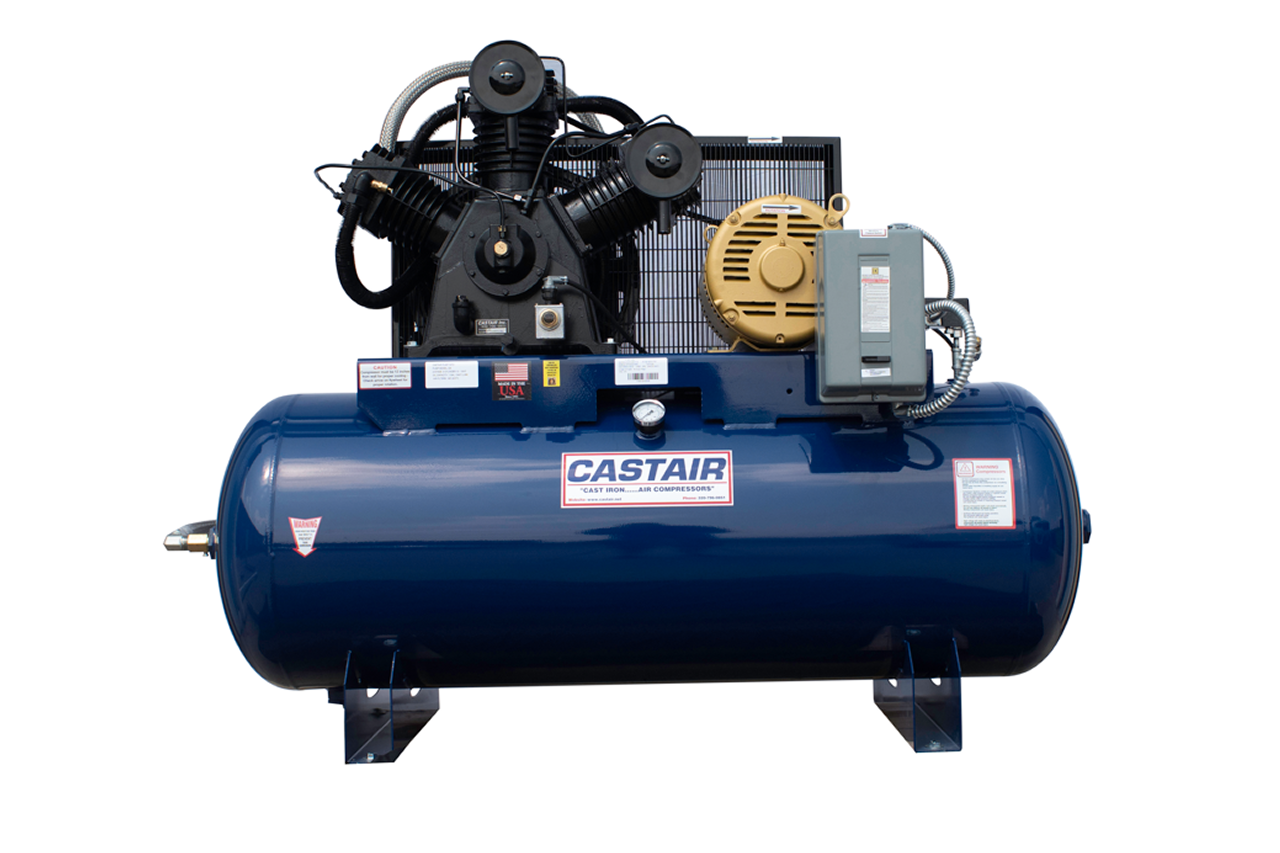
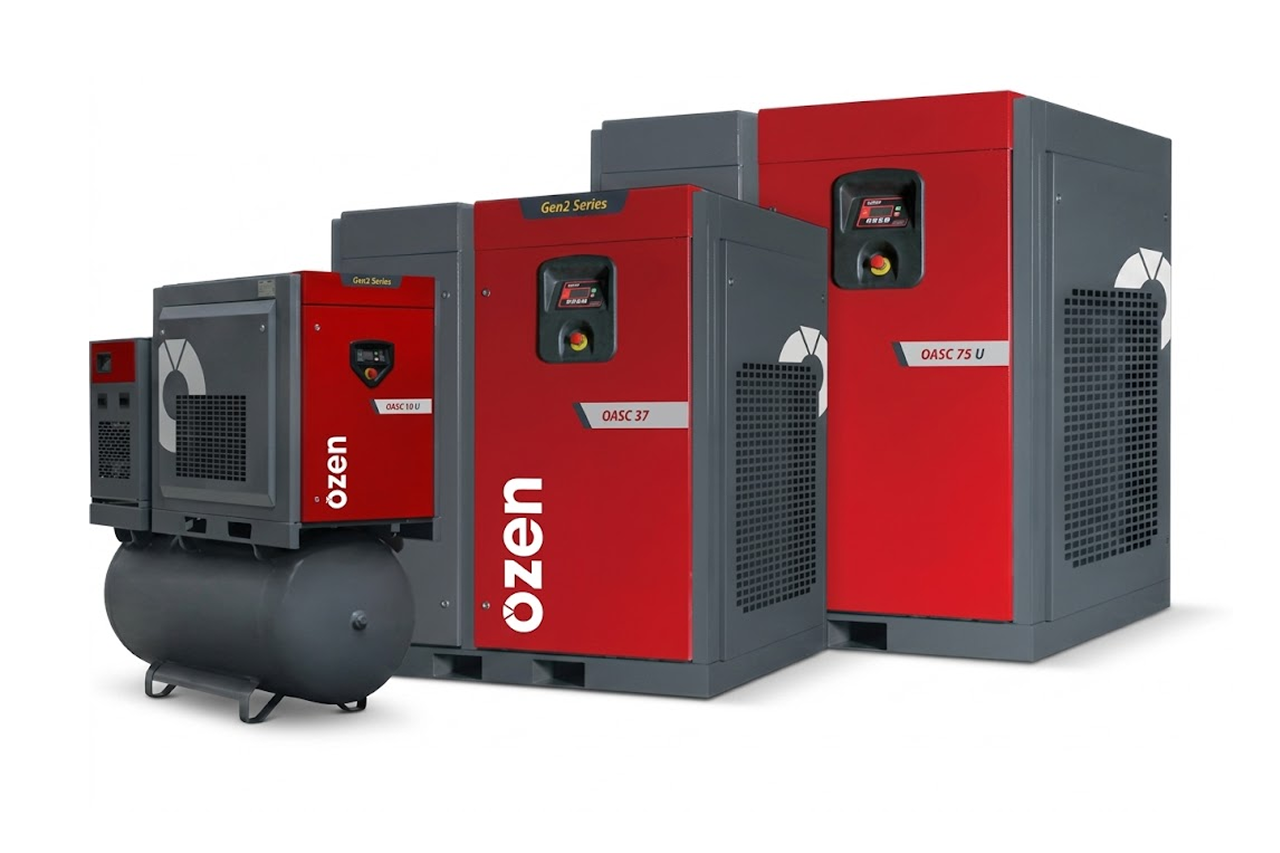
The alternating relay is the control-logic device that balances duty between two (or more) compressors or pumps in a duplex or triplex room, it swaps which machine leads on each cycle so run hours stay even and the standby unit actually runs instead of sitting cold until it seizes. It lives in the Control & Logic layer, wired between the system pressure switch (or float/level control) and the two motor starters. On demand it starts the lead machine; on the next demand it makes the other machine lead. The result is automatic backup and balanced wear, neither machine carries the whole load, and the one that would otherwise sit idle for months gets exercised on a schedule. Any room with 2+ compressors should have one; without it, the lead machine runs every cycle, wears out first, and the "backup" is a machine nobody has confirmed will start.

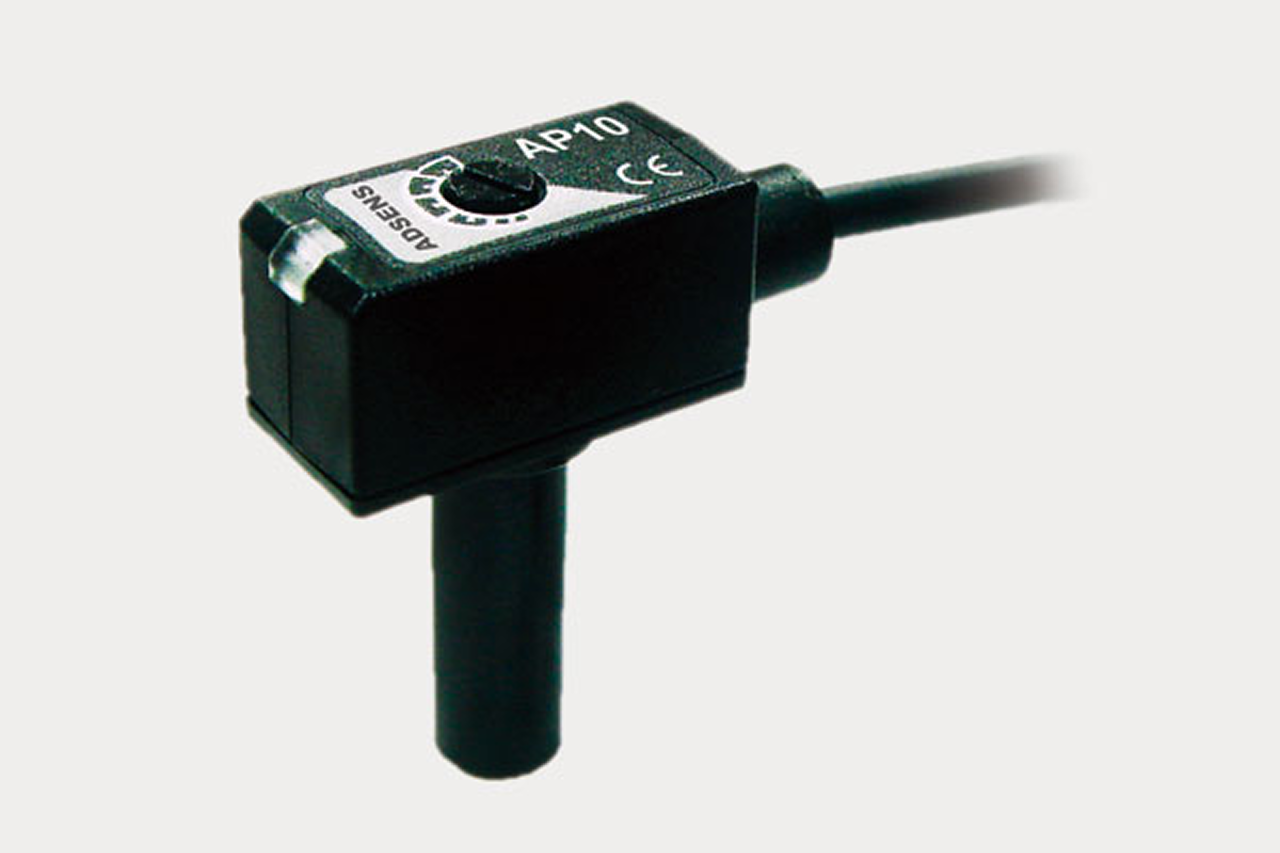
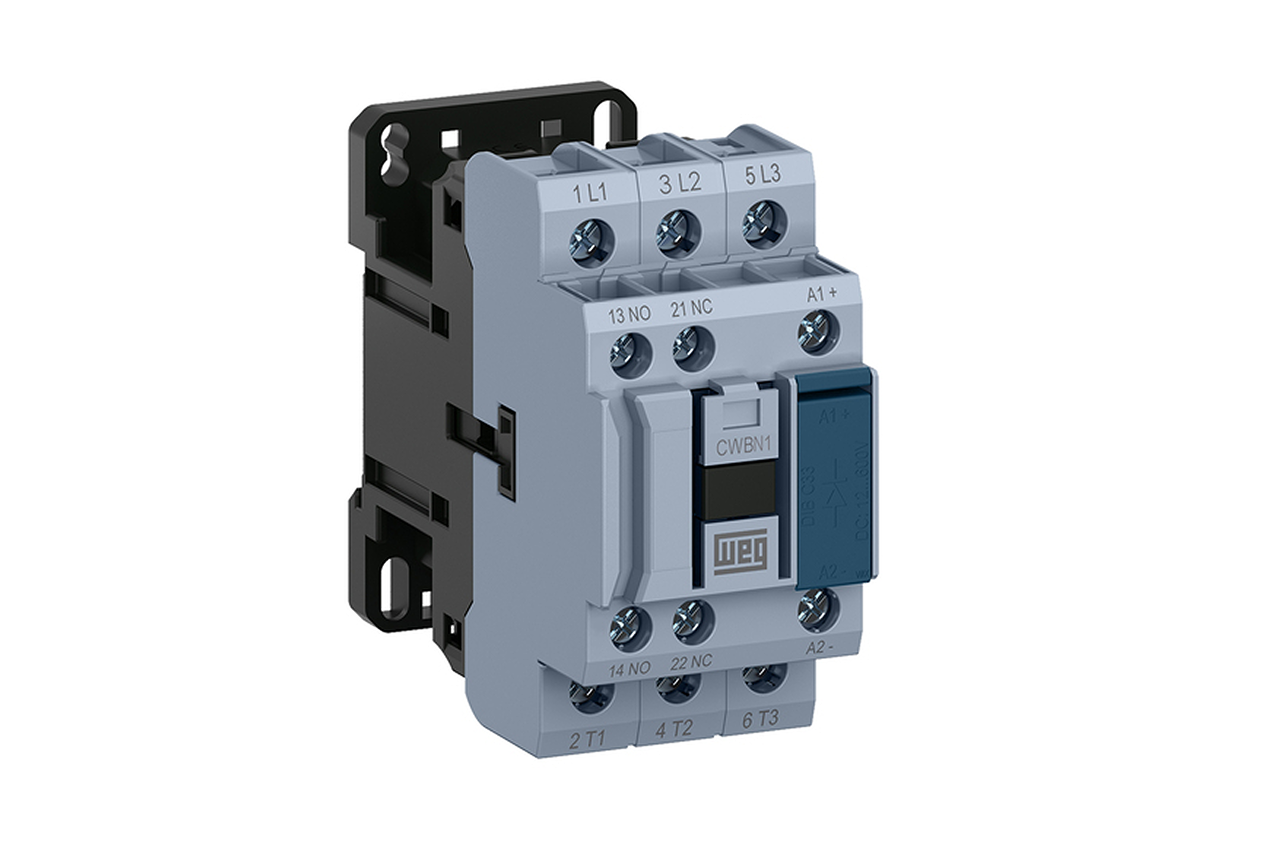
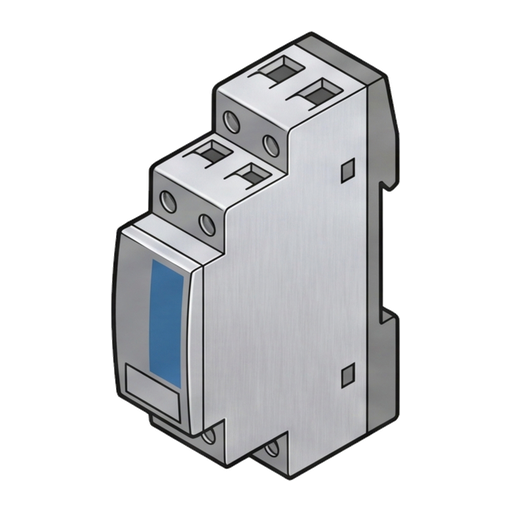
Pictorial Representative alternating relay
Alternating Relay — representative illustration
Where it's used General Manufacturing
General Manufacturing application
Why it's needed

Why this matters.

When a duplex room needs an alternator, what it actually buys you, and where a bare relay falls short. Review the points below.

01 · Key point
Two machines, one wear pattern.

Without an alternator the lead machine runs every single cycle and the other sits idle. The lead wears out first, and the "backup" is a machine nobody has confirmed will start. The alternator swaps lead on each cycle so run hours stay even across both.

02 · Key point
The standby actually runs.

A compressor that sits cold for months seizes, weeps oil, and won''t start when you need it. Alternating exercises the standby on a schedule, so the day the lead drops, the backup is already proven and warm. Automatic backup is the real product here.

03 · Key point
Any room with 2+ machines should have one.

It''s a small part with an outsized job, it doubles effective machine life by halving cycles on each unit and turns a paper backup into a real one. If a plant has a duplex room and no alternator, that''s an open quote every time.

04 · Pro tip
Spec the lead selector and the swap test.

Quote the alternate / lead-1 / lead-2 selector so the customer can lock a known-good machine while the other is serviced. And at commissioning, cycle demand twice and confirm the lead actually swaps: a relay that doesn''t alternate looks fine and quietly runs one machine into the ground.

05 · Where it bites
Peak demand exceeds one machine.

A bare alternator runs one machine at a time. If a heavy call needs both, the room falls behind and pressure sags. → Add the simultaneous-demand contact (a second demand input) so both come on together under load. Confirm peak vs single-machine output before quoting.

06 · Where it bites
Both machines slam on the same start.

Electromechanical alternators with no delay can pull both contactors near-simultaneously on a fast cycle, hammering the building''s electrical service with stacked inrush. → On larger motors quote the electronic duplexer with lead/lag delay so the lag machine waits a few seconds.

07 · Where it bites
Sizing contacts to the motor, not the coil.

The alternator switches the starter coils (pilot duty), not motor current, but undersize the contacts to the coil inrush and they weld or burn. → Size the contact rating to the starter coil VA from the starter data, with margin, never to motor HP.

Technologies within this type

Which technology — and when to choose it.

Same job: keep two machines sharing the load, but the build type and the extra contacts decide how much control and protection you get. Match these to the room, along with the voltage.

Electromechanical (cross-wired relay)

A DPDT relay or alternator wired to transfer lead on each cycle. Simplest and cheapest, plug-in octal base for fast swap. Alternates strictly on cycle with no run-time logic. The right call for a basic duplex room that just needs even wear and automatic backup.


Electronic / solid-state duplexer

Adds adjustable lead/lag delay, run-time equalization, and status/alarm outputs. Holds the lag machine off a few seconds so two compressors don''t slam the building on the same start, and can equalize hours rather than strictly alternate. Quote it where the room needs sequencing finesse or remote status.

With simultaneous-demand contact

A second demand input (a second pressure or level switch) that brings BOTH machines on together when one can''t keep up. Without it the duplex runs one machine at a time and falls behind on a heavy call; with it the room has surge capacity. Specify when peak demand can exceed a single machine''s output.

Key selection criteria

What we need to spec it right.

From the machine spec sheet to the part number. Answer what you know, leave the rest blank, and send.

04Choose your priority  ·  core differentiator

Whatever your lever — performance, value, or price — SPC has the right brand.

Pick the priority; the quote desk handles the cross-reference.

01 Performance 1 brand
Where it's used

Industries served.

Each industry below uses this product across the listed areas. Open an industry to see how it fits the rest of its system.

Also applies to Duplex compressor rooms · Duplex pump and booster systems · Triplex and larger rooms (as part of the system) · Compressor-package retrofits · Distributor counter & RFQ work

Install · 6 critical steps

The things that matter on the first install.

Step 01
Wire it between the demand control and the two starters
The alternator sits downstream of the system pressure switch (or float/level control) and upstream of the two magnetic starter coils. Its transfer contacts route the demand call to whichever machine is currently lead. Confirm the coil voltage matches the control circuit (typically 120 VAC), not the motor voltage.
Step 02
Set the lead selector to ALTERNATE
The load/lead selector should sit on alternate for normal duty so the lead role swaps every cycle. Use lead-1 / lead-2 only to force a known-good machine to lead while the other is being serviced, then return it to alternate.
Step 03
Size and verify the contact load
The alternator switches starter coils (pilot duty), not motor current. Confirm the contact rating covers the starter coil VA / inrush with margin. Undersized contacts weld or burn under repeated coil inrush.
Step 04
Wire the simultaneous-demand input if specified
If the room has a second demand contact for heavy load, land it so both machines can come on together under a deep pressure drop. Set the second pressure/level switch below the normal cut-in so it only calls the second machine when the first can't hold pressure.
Step 05
Cycle twice and confirm the swap
The whole point of the part is alternation, so prove it. Run the system through two full demand cycles and verify the lead role actually transfers to the other machine, and that on a forced heavy call (if equipped) both come on. A relay that energizes but doesn't alternate looks healthy and silently runs one machine into the ground.
Step 06
Document the base and coil on the panel
Note the octal base type (8/11-pin) or DIN layout and the coil voltage in the panel record so the next replacement is a same-day plug-in match, not a teardown.
Troubleshoot · top failures

Most returns trace to one of these causes.

Symptom
Most likely cause
Fix
Only one machine ever runs; the other never leads
The alternator isn't transferring lead, selector stuck on lead-1/lead-2, a failed transfer contact, or a failed coil. The system still makes air on the lead machine, so it hides until the lead wears out or trips.
Check the lead selector is on ALTERNATE. Cycle demand and watch for the transfer to fire; if it energizes but doesn't swap, the relay/duplexer is failed, replace. On a plug-in unit, swap the relay before suspecting the wiring.
Both machines run all the time, never alternating off
Simultaneous-demand contact stuck closed, a welded transfer contact calling both starter circuits, or a demand/pressure switch failed closed.
Isolate the simultaneous-demand input and confirm the room returns to single-machine duty. Inspect the alternator transfer contacts for welding. Verify the pressure switch opens at cut-out.
Both machines start at the same instant and dip the building voltage
Electromechanical alternator with no lead/lag delay on a fast cycle, stacking both contactors' inrush onto the service.
Replace with an electronic duplexer that holds the lag machine off a few seconds, or add a time delay to the lag start circuit. Confirm the service can carry one start at a time.
Alternator chatters or the lead swaps mid-cycle
Marginal coil voltage, a chattering pressure switch feeding noisy demand pulses, or contact bounce on a worn relay.
Measure control voltage at the coil under load, low or sagging supply makes the relay chatter. Service or replace a chattering pressure switch first; it drives both the alternator and the starters hard. Replace the relay if contacts are worn.
Transfer contacts burned or welded
Contact rating undersized for the starter coil inrush, or repeated rapid cycling from short-cycling compressors.
Replace with a unit rated above the actual coil VA / inrush, with margin. Fix the short-cycle cause upstream (drain leaks, tank sizing, pressure-switch differential) so the alternator isn't transferring dozens of times an hour.

Get the right alternating relay on quote in 24 hours.

Send us the application — a specialist routes you to the correct tier with a configured part. Lead-times and pricing returned within one business day.

Open quote engine ↑