DISTRIBUTOR-FIRST SUPPLY PARTNER · SINCE 1999 Live · Compressed Air System

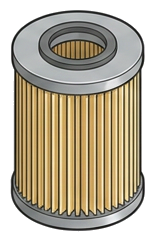
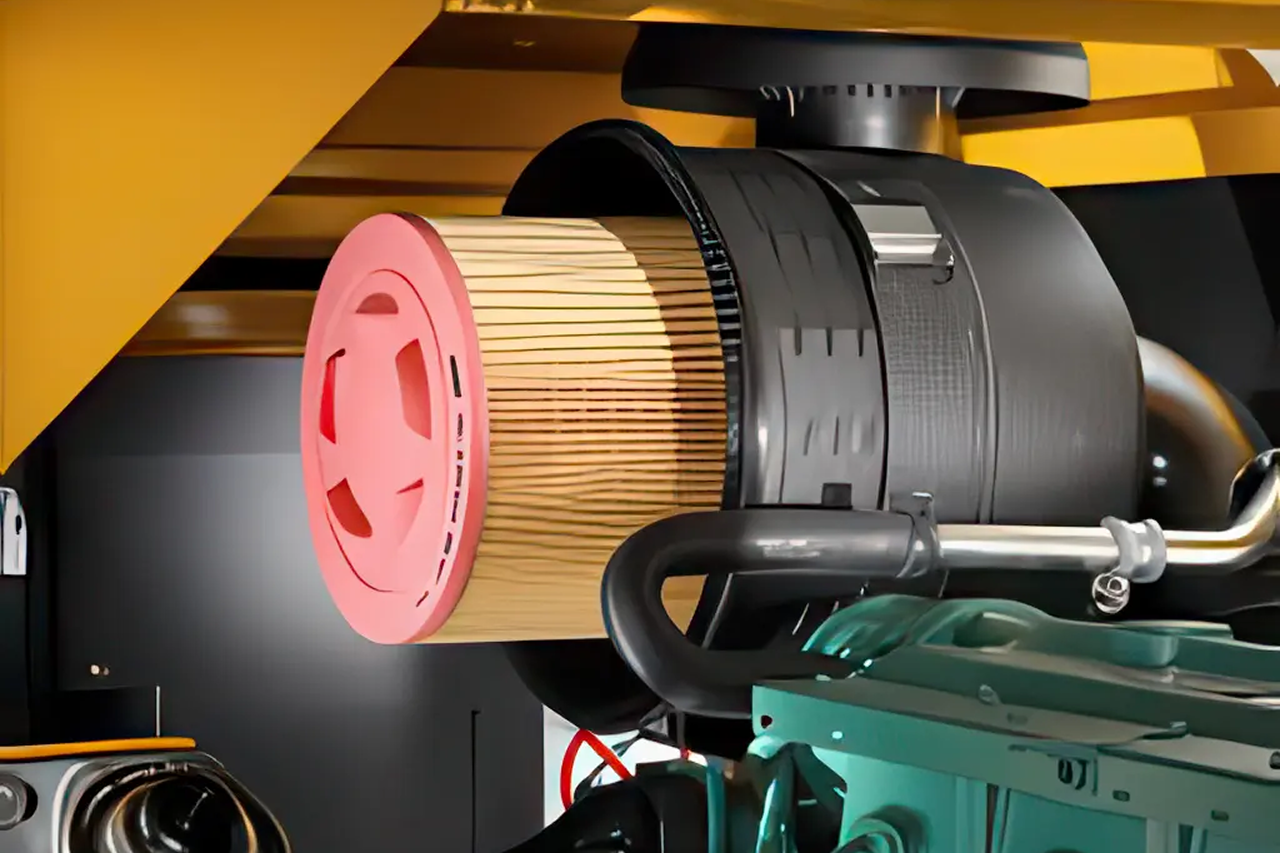
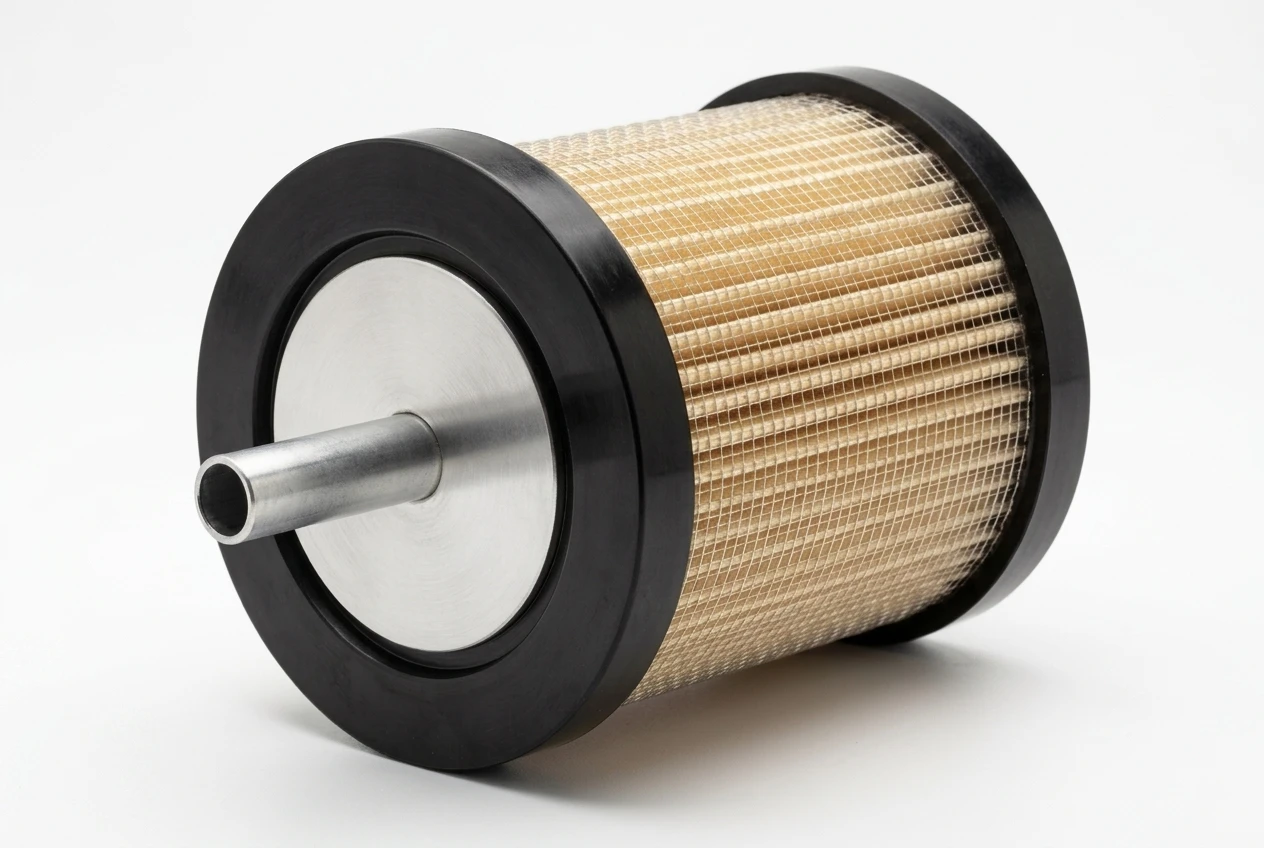
The compressor intake filter is the air filter that protects a compressor's airend from airborne particulate it would otherwise pull straight into the compression chamber, a panel or cylindrical cartridge of pleated filtration media that traps dust, grit, and fine debris before it reaches the rotors or pistons. Replaced annually in clean indoor service, sooner when a differential-pressure indicator (a gauge that reads pressure drop across the filter) signals restriction. Sized and matched to the specific compressor by OEM cross-reference: the aftermarket vendor's catalog resolves the OEM make + model + HP + serial to a single equivalent element with matching dimensions, mounting, and seal. One of the three core consumables, with the oil filter and air-oil separator, in every annual service kit.
When the aftermarket intake cross is the right call, and when the housing itself is the problem. Review the points below.
On a 25-50 HP unit, the OEM aftermarket equivalent cross runs roughly half the price of the OEM intake element. Same filtration rating, same dust-holding capacity, same fit: validated by the cross-reference catalog.
Clean indoor = 12 months. Foundry, cement, grain, woodshop, metalworking = 3-6 months. Dusty-plant customer buys 2-4 elements per year, not 1; set the standing-order cadence at the first quote.
OEM aftermarket equivalent catalogs cross-reference Atlas Copco, Sullair, IR, Quincy, Chicago Pneumatic, ABAC, Kaishan, plus 10-20 year-old orphan units. Mixed-brand procurement consolidates to a single vendor; the maintenance shelf carries one part number per housing, not five.
Lead with: "Photo the nameplate, the housing, and the existing element." Resolve OEM brand + model + HP + serial + element dimensions → OEM aftermarket equivalent cross, whichever catalog crosses cleanest. The serial catches model-year intake spec changes.
Magnuson-Moss covers the customer, but new-unit warranty conversations get easier when the intake matches the nameplate. → Use OEM during warranty; convert to the aftermarket cross at first post-warranty service.
Element life under 3 months in a dusty plant means the OEM housing is undersized, no cross can fix it. → Re-spec to an own-brand intake line (oversized housing + matched element) for housing-level cost reduction.
Small portable/consumer compressors have integral intake screens, not serviceable elements. Oil-free / dry-screw units often use different filtration architecture entirely. → Route to the specific OEM service-parts catalog; the aftermarket-cross logic doesn't apply.
Enter the part number you have today and we'll resolve the SPC equivalent. Don't have it? Tell us the machine and we'll cross-reference at RFQ.
Type the competitor OEM part number (SMC, Pisco, Legris, Parker, Festo). We cross-reference the SPC equivalent live. Don't know it? Leave it blank and we cross-reference at RFQ.
The machine, line, or system this part lives on. Optional.
City, plant, or region. Optional.
Per order. Optional.
Pick the priority; the quote desk handles the cross-reference.
Answer once. Pick every brand you want priced, and we quote each one on the same spec.
Each industry below uses this product across the listed areas. Open an industry to see how it fits the rest of its system.
Also applies to Rotary-screw compressors (oil-injected) · Reciprocating (piston) compressors · Older / orphan-OEM compressors · Dusty-environment industrial compressors · Multi-compressor fleets across mixed OEMs · NOT used in
Every entry is a real product on this site, linked to its page. Quote them on the same line item.
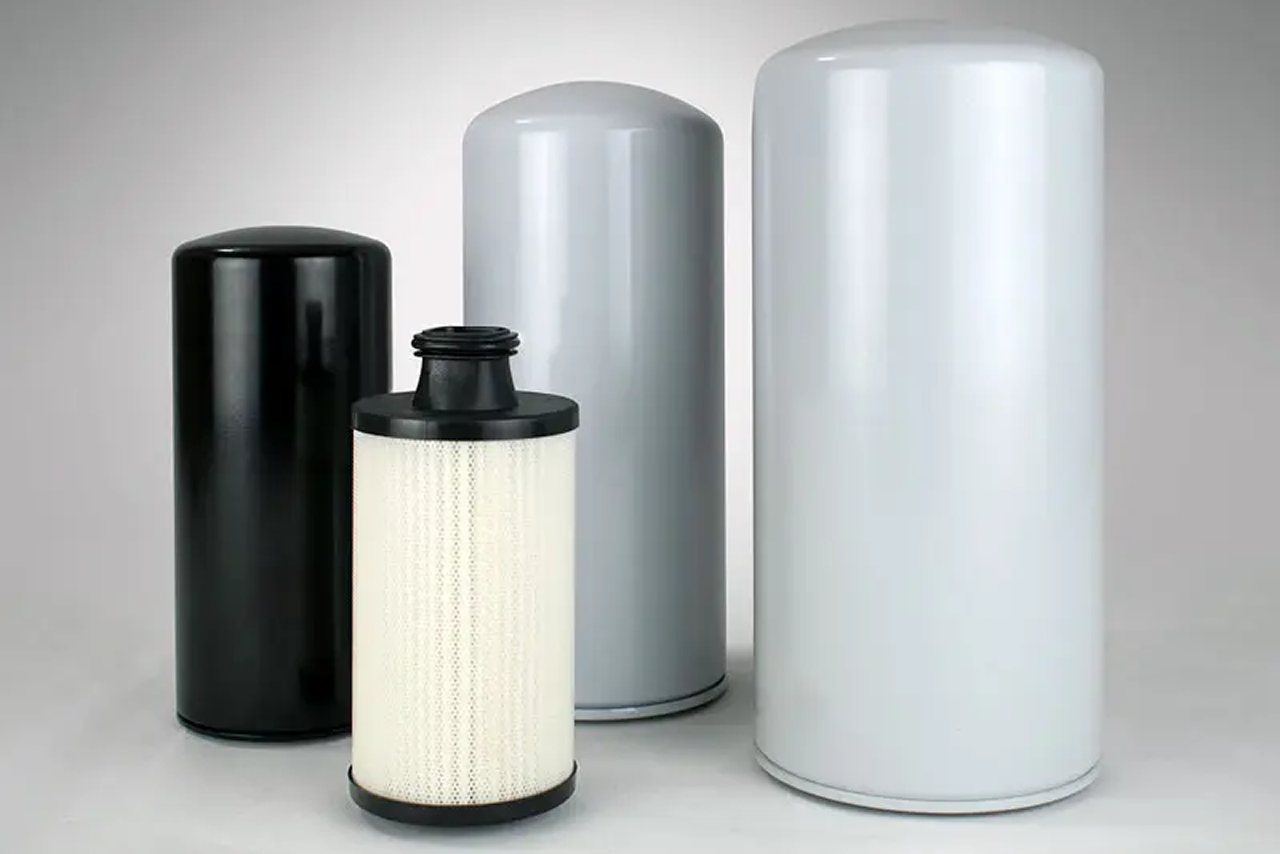
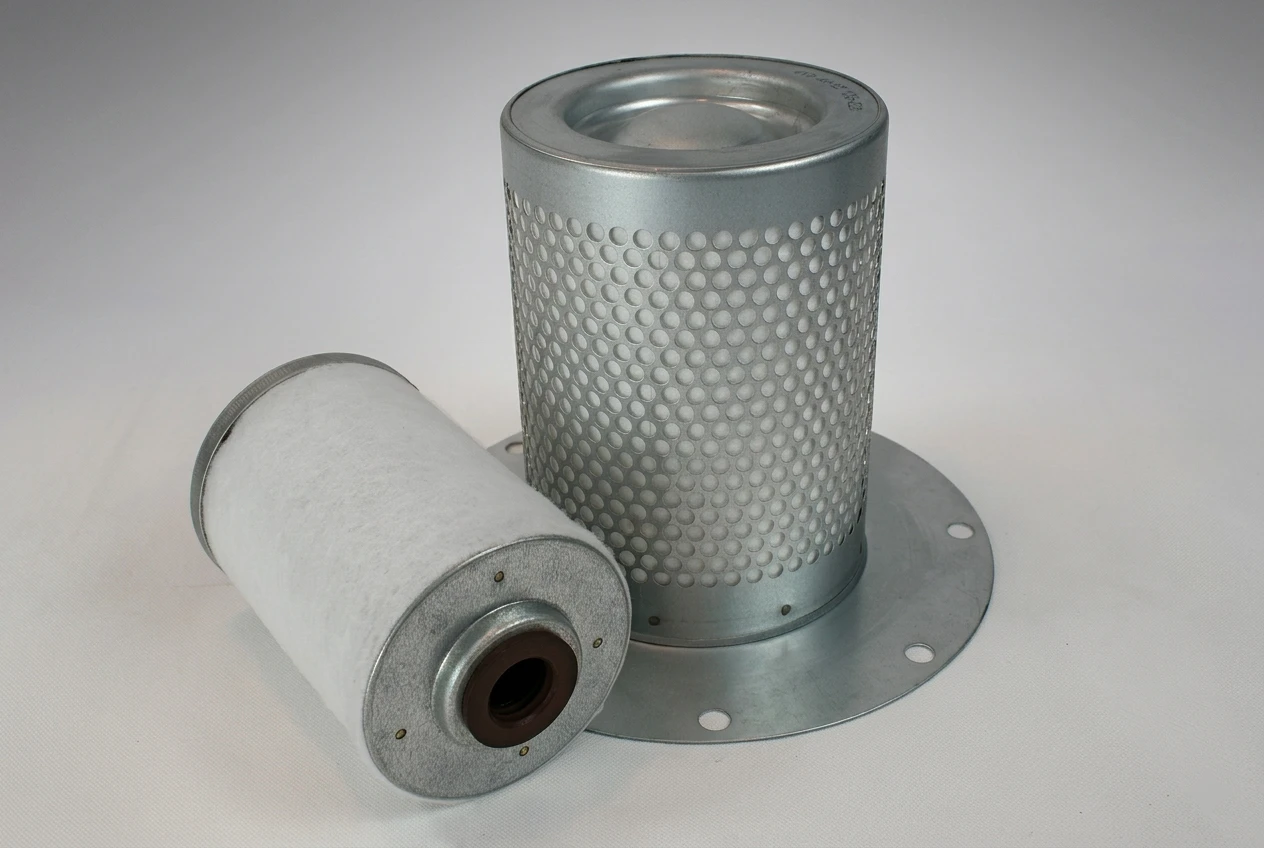
Stock 4-pack or quarterly-shipment case quantities for dusty-environment customers, foundry, cement, grain, woodshop. An annual customer in a dusty plant consumes 2-4 elements per year, so standing-order pricing covers their actual consumption rather than the annual-only assumption. Aftermarket intake elements are recurring revenue line items; bulk tips are especially valuable here because the dust environment determines the cadence, not the calendar.
Send us the application — a specialist routes you to the correct tier with a configured part. Lead-times and pricing returned within one business day.
Your quote. We reply within one business day with pricing, lead-time, and configured parts.