DISTRIBUTOR-FIRST SUPPLY PARTNER · SINCE 1999 Live · Compressed Air System

SPC Company
Compressed Air / Service / MRO / Compressor Service Parts / Compressor Oil Filter — Aftermarket
Layer 08 · Service / MRO Performance · KELTEC
What it is

Compressor Oil Filter — Aftermarket

Compare tiers ↓

The compressor oil filter is the filter that cleans the lubricating oil as it circulates inside a lubricated rotary-screw compressor, a spin-on canister or drop-in cartridge of filtration media that strains wear metal, varnish, and fine particulate out of the oil so clean oil returns to the airend. It is a scheduled consumable replaced at every oil change, which on a rotary-screw is typically every 2,000 operating hours (longer on synthetic). Sized and threaded to the specific compressor by OEM cross-reference: the aftermarket vendor's catalog resolves the OEM make + model + HP + serial to a single equivalent part number with matching micron rating, bypass-valve setting, gasket, and thread. One of the three core consumables, with the air-oil separator and intake filter, in every annual service kit.
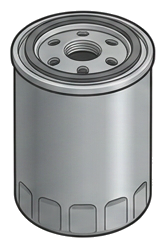
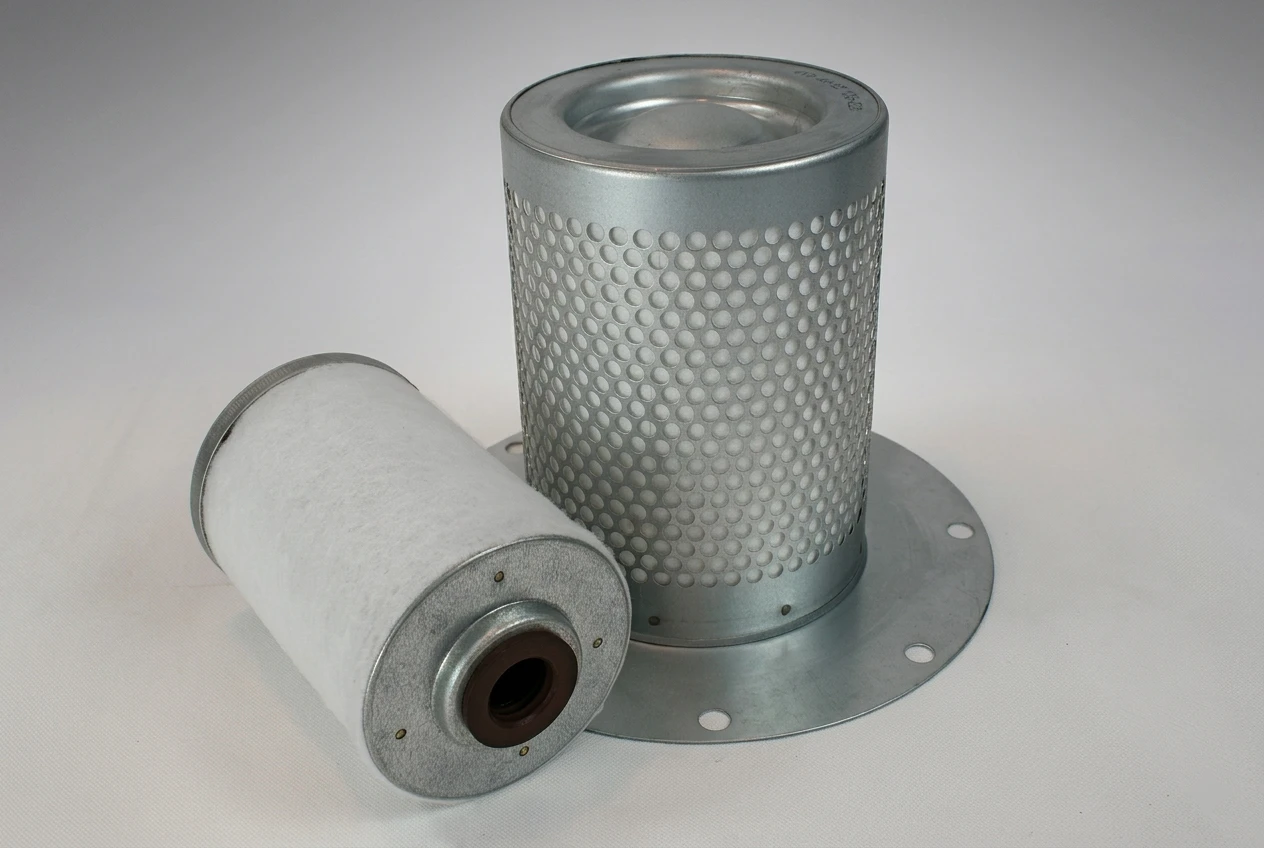
Pictorial Representative compressor oil filter — aftermarket
Compressor Oil Filter — Aftermarket — representative illustration
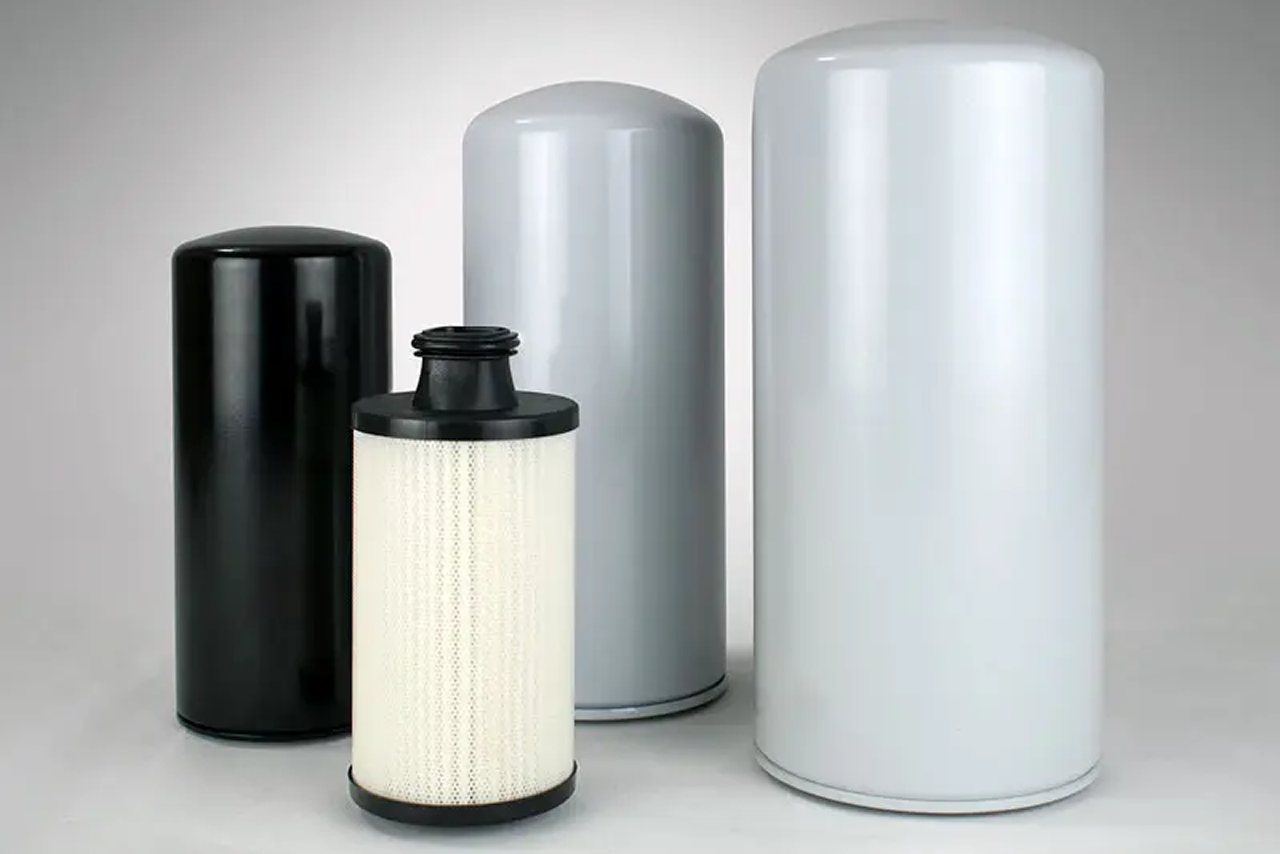
Real-world reference Representative compressor oil filter — aftermarket
Compressor Oil Filter — Aftermarket — representative product photo
Why it's needed

Why this matters.

When the aftermarket cross is the right call, and when OEM has to stay on the shelf. Review the points below.

01 · Key point
It saves 40-60% vs OEM list.

On a 50 HP rotary-screw, the OEM aftermarket equivalent cross runs roughly half the price of the OEM-branded filter. Same micron rating, same bypass-valve setting, same gasket: the catalog cross validates the spec match.

02 · Key point
One catalog covers the fleet.

OEM aftermarket equivalent catalogs cross-reference dozens of OEMs; Atlas Copco, Sullair, IR, Quincy, Chicago Pneumatic, Kaeser, Gardner Denver, ABAC, Kaishan, from a single vendor. Mixed-brand fleet, single PO, same-day ship.

03 · Key point
It carries the older OEMs too.

OEM aftermarket equivalent catalogs cover 15-20 years of OEM models, orphan units where the OEM filter inventory has discontinued or priced unreasonably stay serviceable on the aftermarket cross.

04 · Pro tip
Cross by nameplate + photo.

Lead with: "Photo the compressor nameplate and the existing filter." Resolve OEM brand + model + HP + serial → OEM aftermarket equivalent cross, whichever catalog crosses cleanest. The serial catches model-year spec changes the model number alone misses.

05 · Where not to use
Inside the OEM warranty window.

Magnuson-Moss protects the customer in the U.S., but new-unit warranty terms vary by OEM and aftermarket can complicate a claim during the warranty period. → Use OEM during warranty; convert to aftermarket cross at first post-warranty service.

06 · Where not to use
Small portable / consumer units.

Integral filtration at the pump head, not field-serviceable. No aftermarket cross applies. → Route to whole-pump replacement if filtration fails on a portable or pancake unit.

07 · Where not to use
Oil-free / dry-screw compressors.

No lubricating oil in the airend, no oil filter to replace. → Route to the OEM service-parts catalog for dry-screw filtration; the aftermarket-cross logic doesn't apply to oil-free machines.

Cross-reference to SPC

Running another brand's part? Match it to ours.

Enter the part number you have today and we'll resolve the SPC equivalent. Don't have it? Tell us the machine and we'll cross-reference at RFQ.

01 · Part number

Type the competitor OEM part number (SMC, Pisco, Legris, Parker, Festo). We cross-reference the SPC equivalent live. Don't know it? Leave it blank and we cross-reference at RFQ.

02 · Machine / system

The machine, line, or system this part lives on. Optional.

03 · Location

City, plant, or region. Optional.

04 · Quantity

Per order. Optional.

The part number is all we need to start. Answer the rest if you know it, leave the rest blank, and add to quote. Different part? Cross-reference, add to quote, then cross-reference again. Each click is one quote line.

04Choose your priority  ·  core differentiator

Whatever your lever — performance, value, or price — SPC has the right brand.

Pick the priority; the quote desk handles the cross-reference.

01 Performance 2 brands
Where it's used

Industries served.

Each industry below uses this product across the listed areas. Open an industry to see how it fits the rest of its system.

Also applies to Rotary-screw compressors (oil-injected, all major brands) · Older / orphan-OEM compressors · Distributor / dealer service shops · Multi-compressor industrial fleets · NOT used in

Install · 6 critical steps

The things that matter on the first install.

Step 01
Confirm the cross-reference matches the existing filter mount
Photo the existing filter before removal; note thread direction, gasket type, and any bypass-valve indicator. OEM aftermarket equivalent catalogs are reliable but model-year variations exist; the photo-confirm step catches a discontinued-OEM-part exception.
Step 02
Replace the filter AT the oil change, not separately
The filter's service interval is tied to the oil's, replacing one without the other defeats both. If the customer is mid-oil-change cycle and asks for a filter-only swap, decline politely OR quote the filter + oil together at the discounted bundle.
Step 03
Lubricate the new filter's gasket with a thin film of oil at install
Dry gasket on install = leak. A thin film of compressor oil on the gasket seats correctly under pressure and seals on first tighten. Standard aftermarket practice; missed gasket lube is a frequent oil-leak cause.
Step 04
Hand-tight + 3/4 turn, do NOT torque-wrench
Spin-on filters seat by hand-tightening until gasket contact, then 3/4 turn additional. Over-tightening crushes the gasket and creates a leak; under-tightening leaks immediately. Aftermarket spec matches OEM here.
Step 05
Run the compressor 5-10 minutes and check for leaks AND document the change
Restart, run to operating temperature and pressure, walk the system. Check the filter housing seal, oil-level sight glass, and any oil-line connections. Log the aftermarket part number, OEM cross-reference number, date, hours-on-compressor, and operator; this is the audit trail that says "aftermarket equivalent installed per spec" if any future warranty conversation comes up.
Step 06
Schedule the next change in the customer's MRO calendar
MRO (maintenance, repair, operations). Next oil change date OR hours threshold, whichever comes first. Set the reminder 30 days out so the customer has lead time to reorder the kit. Recurring revenue management.
Troubleshoot · top failures

Most returns trace to one of these causes.

Symptom
Most likely cause
Fix
Aftermarket filter leaks at the gasket after install.
Gasket wasn't lubricated before install OR filter was over-tightened (crushed gasket) OR previous filter's gasket stuck to the housing and the new filter sealed against a double gasket.
De-pressurize, remove the new filter, check the housing for residual gasket material. Clean the housing flat. Lubricate new gasket, hand-tight + 3/4 turn, restart and re-check. If still leaks, suspect a damaged housing seat, inspect and replace housing if needed.
Oil-pressure light or alarm after install.
Cross-reference picked a filter with wrong bypass-valve setting (filter not opening at low temp, blocking flow), OR wrong micron rating for the compressor, OR the new filter is blocked from contaminated oil (varnish accumulation released during the change).
Pull the filter and inspect. If media is loaded immediately, the oil is the problem, flush the system. If bypass setting is wrong, the catalog cross is incorrect for this specific compressor, escalate to the aftermarket catalog's tech support and order the OEM replacement for the immediate need.
Wear-metal trend on oil analysis worsens after switching to aftermarket.
Aftermarket has different (typically wider) bypass-valve setting than OEM, OR media is lower-grade than OEM's, OR the cross-reference was incorrect.
Pull oil samples at 250-hour intervals to confirm trend. If wear-metals continue trending up, switch back to OEM and re-sample. If trend reverses, confirm cross accuracy with the aftermarket catalog's tech support and document the case. Rare but possible on edge-case compressors.
Filter housing leaks at the threaded mount, not the gasket.
The compressor's filter-mount housing has corroded or stripped threads, the filter isn't the problem. Aftermarket vs OEM is irrelevant; the compressor needs housing replacement.
Inspect the threaded mount in the compressor. If corroded or stripped, the housing must be replaced, OEM service or a heavy-rebuild operation. Quote the housing replacement separately; don't chase the leak with a different filter brand.
Customer reports the aftermarket filter "doesn't feel like the OEM."
Different gasket compound, paint, or weight, all normal variation between manufacturers. Function is equivalent if the cross-reference is correct.
Reassure with the cross-reference documentation. Pull oil analysis at the next service to objectively confirm equivalent performance. The "feel" question is brand-perception, not engineering, handled with documentation and trust over time.

Get the right compressor oil filter — aftermarket on quote in 24 hours.

Send us the application — a specialist routes you to the correct tier with a configured part. Lead-times and pricing returned within one business day.

Open quote engine ↑