DISTRIBUTOR-FIRST SUPPLY PARTNER · SINCE 1999 Live · Pneumatic Automation System

SPC Company
Pneumatic Automation / Control & Valving / Directional Control Valves / Mechanical Valve
Layer 03 · Control & Valving Performance · SMC
What it is

Mechanical Valve

Compare tiers ↓

A mechanical valve is a directional control valve shifted by physical contact instead of an electric coil. A hand lever, push button, palm button, foot pedal, or cam-and-roller actuates the spool directly. It is the standard product for operator-actuated work stations, two-hand press safety interlocks, and pneumatic-only sequential machine logic. Installed inline or panel-mounted at the operator station or at the cam trip point, the valve does the same air-routing job as a solenoid, 3/2 or 5/2, with a mechanical trigger in place of the coil.
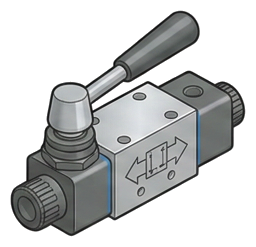
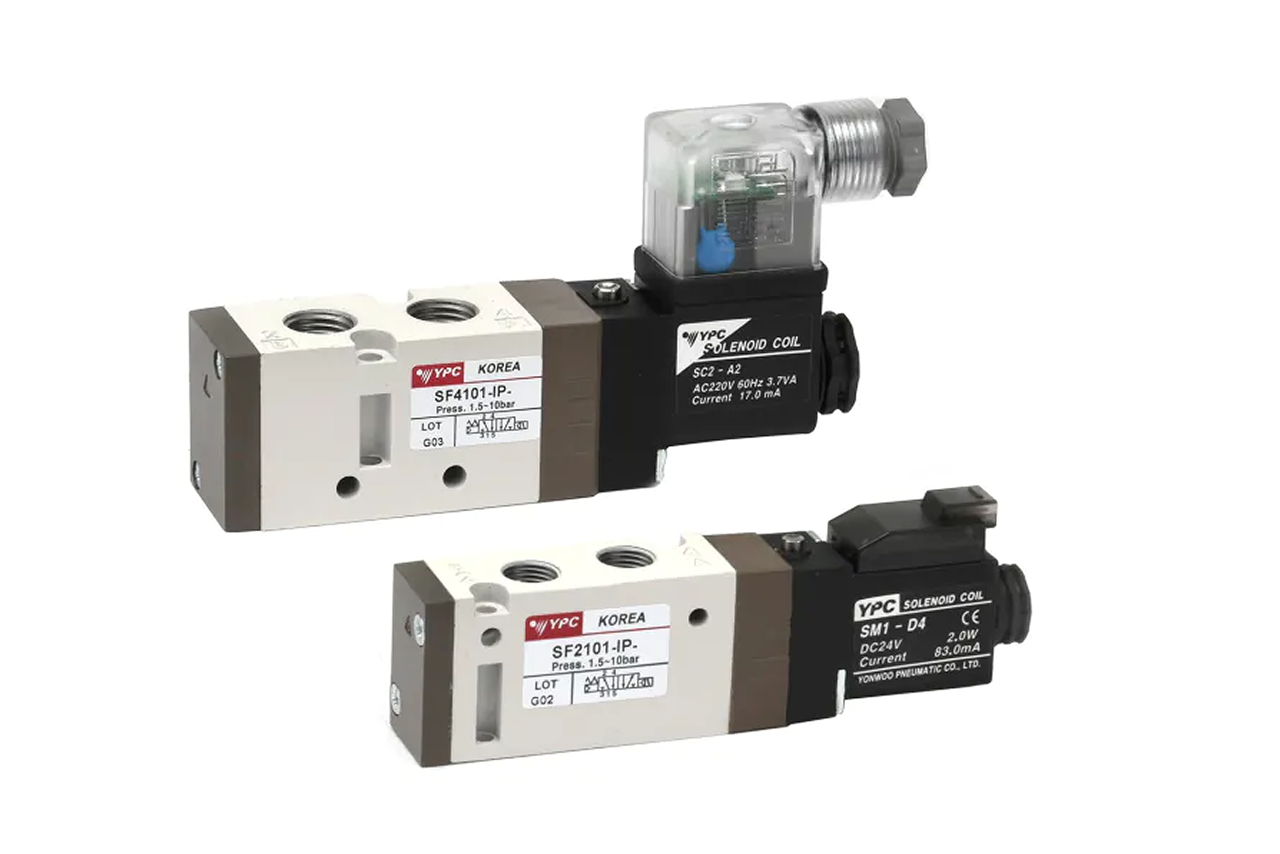
Pictorial Representative mechanical valve
Mechanical Valve — representative illustration
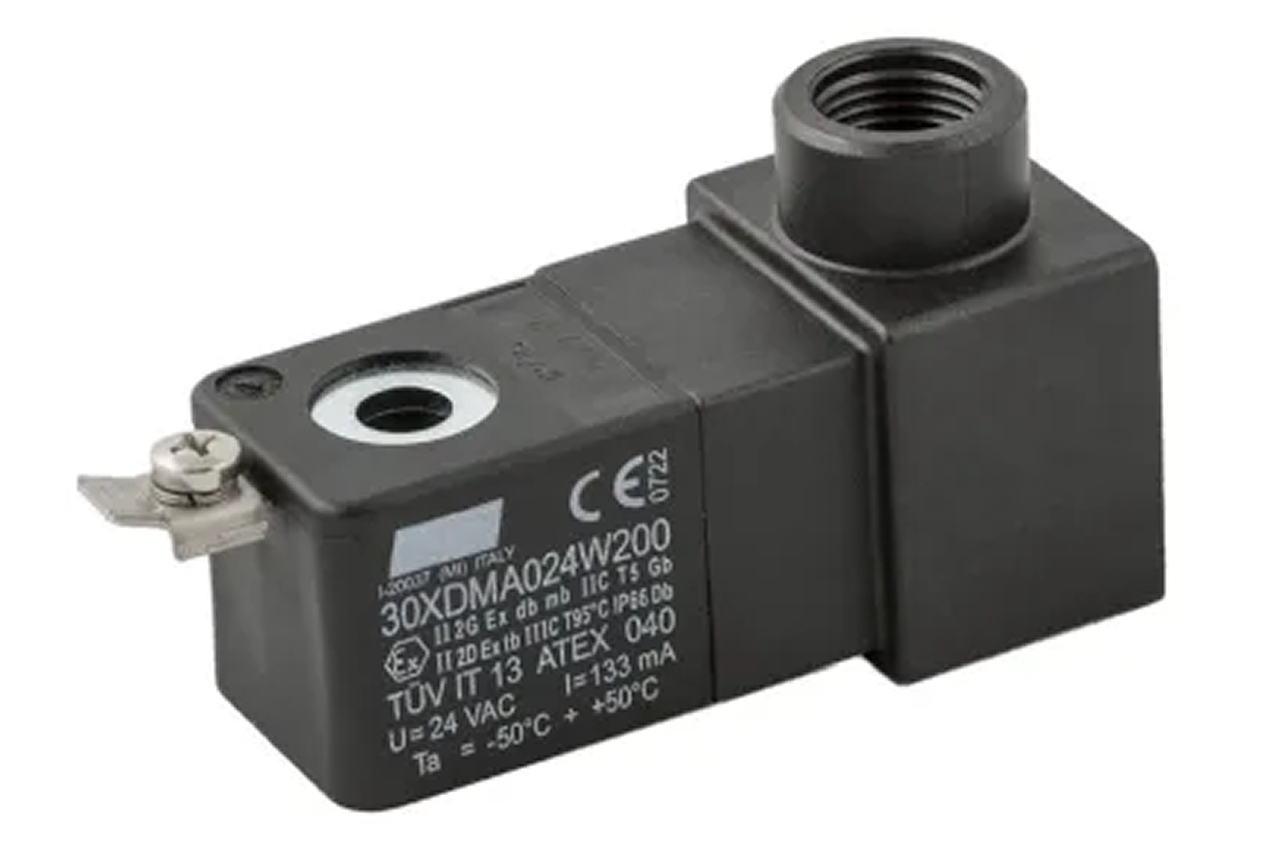
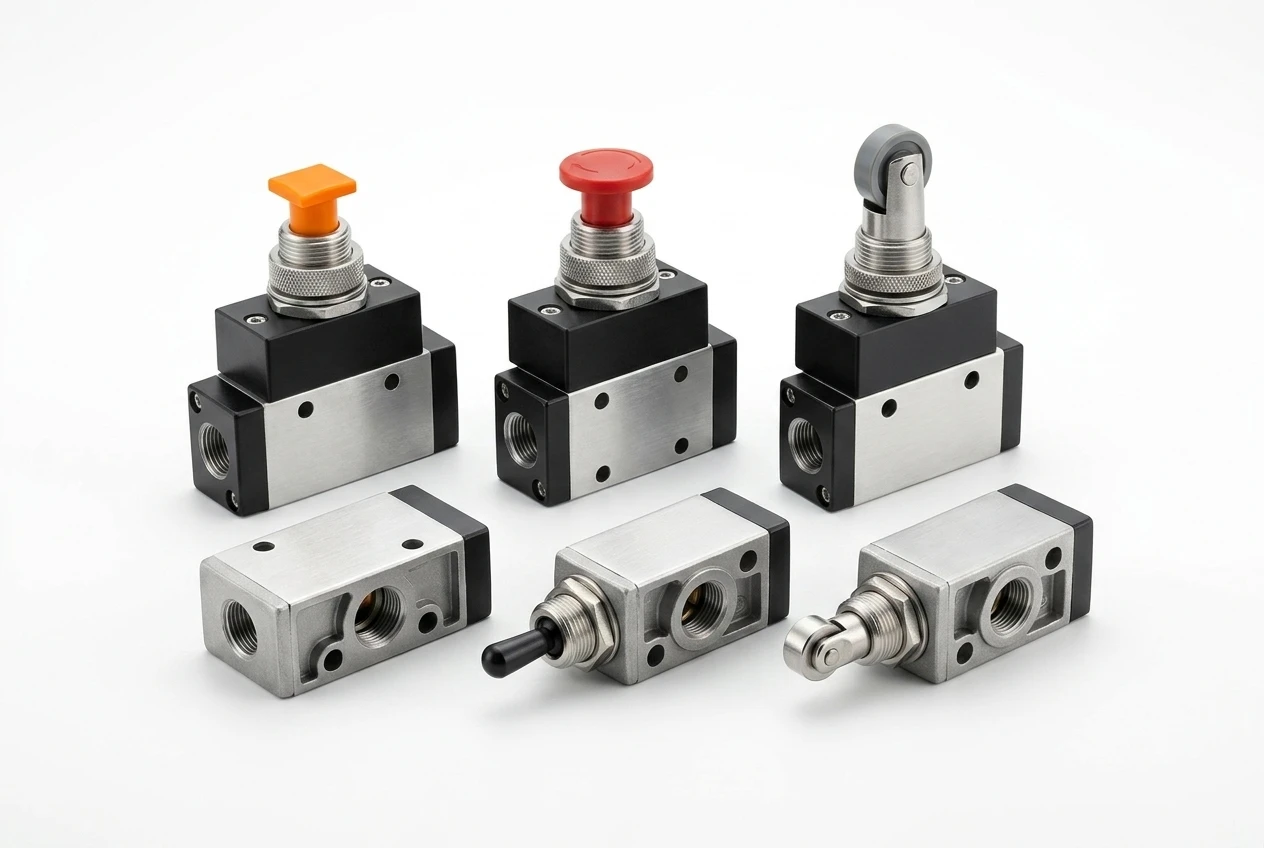
Real-world reference Representative mechanical valve
Mechanical Valve — representative product photo
Why it's needed

Why this matters.

When the mechanical valve is the right call, and when to spec something else. Review the points below.

01 · Key point
Actuator is the spec.

Foot pedal for hands-occupied trigger. Hand lever or push button for bench manual stations. Cam/roller for sequential pneumatic-only logic. Same 3/2 or 5/2 spool as a solenoid, just the actuator changes.

02 · Key point
No coil, no voltage, no failure mode.

Nothing to match, nothing to burn, nothing to wire. The right call for portable rigs, no-power locations, cold rooms, and any station where electrical actuation is overkill or unavailable.

03 · Key point
Industry Leader tier is the default.

The leading mechanical-valve line publishes the most fully documented current range across all actuator types. Most older mechanicals cross-reference into current series without changing the mounting hole pattern: photo the existing valve, look up the cross.

04 · Pro tip
Pick spring-return vs. detented by job.

Spring-return on safety devices: palm buttons and foot pedals return to safe when released. Detented on hand-lever or selector valves where the operator wants the valve to stay set without holding the actuator.

05 · Where not to use
OSHA press safety interlocks.

A standard mechanical valve is NOT a safety-rated valve. Two-hand palm-button stations on a press require a redundant dual-valve assembly with safety-rated monitoring relay, or a unit-certified safety palm-button valve. → Stop the standalone-valve quote; route through the customer's safety engineer.

06 · Where not to use
Multi-cylinder automated machines.

Cheaper to wire across many stations with solenoids; faster cycle rates; IO-Link-capable. → Re-spec to solenoid for any PLC-driven machine. Mechanical is the right answer ONLY for operator-actuated, safety, or no-power applications.

07 · Where not to use
Sequencing on a smart-factory line.

Cam-roller pneumatic-only sequencing has no diagnostic visibility, failures hide until the machine stops. → Step up to cylinder position sensors plus solenoid valves where maintenance benefits from electrical telemetry.

Key selection criteria

What we need to spec it right.

From the machine spec sheet to the part number. Answer what you know, leave the rest blank, and send.

04Choose your priority  ·  core differentiator

Whatever your lever — performance, value, or price — SPC has the right brand.

Pick the priority; the quote desk handles the cross-reference.

01 Performance 1 brand
Where it's used

Industries served.

Each industry below uses this product across the listed areas. Open an industry to see how it fits the rest of its system.

Also applies to Operator-actuated work cells. · OSHA-regulated press and punch safety interlocks. · Mechanical safety enforced by valve geometry, not software. · Sequential pneumatic logic on legacy machines. · Hazardous areas where air-piloted actuation is preferred. · Portable and temporary equipment. · Cold-room and freezer applications. · Air-tool trigger and dispense stations.

Install · 6 critical steps

The things that matter on the first install.

Step 01
Confirm actuator type against the operator or trigger source
Mechanical valves are spec'd by actuator. Wrong actuator delivered to wrong station = return shipment and stalled install. Foot pedal on what should have been a palm-button station, hand lever where a cam-roller was needed: verify against the equipment drawing before opening the box.
Step 02
Mount with the actuator physically reachable in normal operating posture
Foot pedals at floor level, oriented for standing position. Palm buttons at the safe distance from the press point per OSHA 1910.217 (calculated from press stopping time and operator hand speed, the safety engineer owns this calc). Hand levers within working posture. Valves installed too far from the operator force compensating motion that defeats the safety or ergonomic intent.
Step 03
Plumb exhaust ports to a muffler
Same as solenoid valves, 5/2 has two exhausts, 3/2 has one. Open exhausts in a work cell are noise hazards and ingest dust into the spool. Sintered bronze standard; filtered exhaust for noise-sensitive areas.
Step 04
For palm-button safety stations: install the dual-valve safety system per the customer's safety design, NOT as a standalone valve
Single mechanical palm-button valves are NOT OSHA-compliant for press safety. The compliant design uses two redundant valves wired through a safety-rated monitoring relay, OR a unit-certified safety palm-button valve assembly. Do not improvise; the install carries direct liability if wrong.
Step 05
For cam-roller valves: align the cam-to-roller contact angle and verify trip distance
The cam-roller has a designed contact angle and trip-roller travel distance. The cam must engage the roller at the correct angle (typically perpendicular to the roller axis, or per the manufacturer's spec) and travel the full required distance to fully shift the valve. Half-trip causes erratic spool position and intermittent failure to actuate downstream cylinders.
Step 06
Cycle detented valves 5–10 times during commissioning
Detented mechanicals use a ball-and-spring or pin-and-spring mechanism to hold the actuator. Wear, contamination, or shipping damage can cause a weak detent, the actuator releases under vibration or returns toward center on its own. Verify the actuator stays where placed across multiple cycles.
Troubleshoot · top failures

Most returns trace to one of these causes.

Symptom
Most likely cause
Fix
Valve does not shift when the operator presses the actuator
Inlet pressure below the valve's minimum shift pressure (some larger pilot-assisted mechanicals have minimum-pressure requirements), or spool stuck from contamination, or actuator linkage broken (foot pedals especially, the linkage to the spool fatigues and cracks at the connection point).
Check inlet pressure first. Inspect the actuator-to-spool linkage. If linkage is intact, cycle the spool manually with a tool, if it cycles by hand, the actuator is failed; if it does not cycle by hand, the spool is jammed.
Foot pedal latches in the down position when released
Detent engaging unintentionally (detented pedal mistakenly installed where spring-return was intended), or spring-return spring broken/weakened, or spool sticking and the spring cannot overcome it.
Verify the part number against the order; confirm it is the spring-return variant. If correct, replace the spring (some designs allow field service); if spool is sticking, the seal kit or full replacement is the fix.
Cam-roller valve fires intermittently when the cam passes
Cam-to-roller alignment is off, or the cam dog has worn and is not pushing the roller through full travel, or the cam approach speed is too high (roller bounces off without fully tripping).
Verify alignment with a slow manual cam pass; watch the roller travel; it should engage smoothly through the full designed range. If the cam is worn or undersized, replace or shim. If approach speed is the issue, slow the trip speed or switch to a magnetic position sensor; a roller cannot keep up with very fast cam passes.
Palm button requires two presses to shift
This is dangerous. The valve is partially shifting on first press, then completing on second, which means it is at risk of partially shifting under vibration with no operator input. Almost always a contaminated or worn spool.
Take the station out of service immediately. Replace the valve. Do not field-repair a palm-button safety valve, the certification and safety case depend on the valve performing exactly to spec on every press.
Lever or button valve has become hard to actuate
Spool sticking from contamination, or actuator pivot corroded, or return spring over-strong (correct for the design but uncomfortable for sustained operator use).
Clean the spool and bore if accessible; if not, replace. Lubricate the pivot. If the return spring is uncomfortably stiff for sustained operator use, the station may be the wrong product for the duty, a lower-force actuator may be appropriate.

Get the right mechanical valve on quote in 24 hours.

Send us the application — a specialist routes you to the correct tier with a configured part. Lead-times and pricing returned within one business day.

Open quote engine ↑