DISTRIBUTOR-FIRST SUPPLY PARTNER · SINCE 1999 Live · Compressed Air System
SPC Company
Compressed Air / Control / Compressor Start / Stop Sensing / Pressure Switch
Layer 05 · Control Performance · Condor Price · Lefoo
What it is

Pressure Switch

Compare tiers ↓

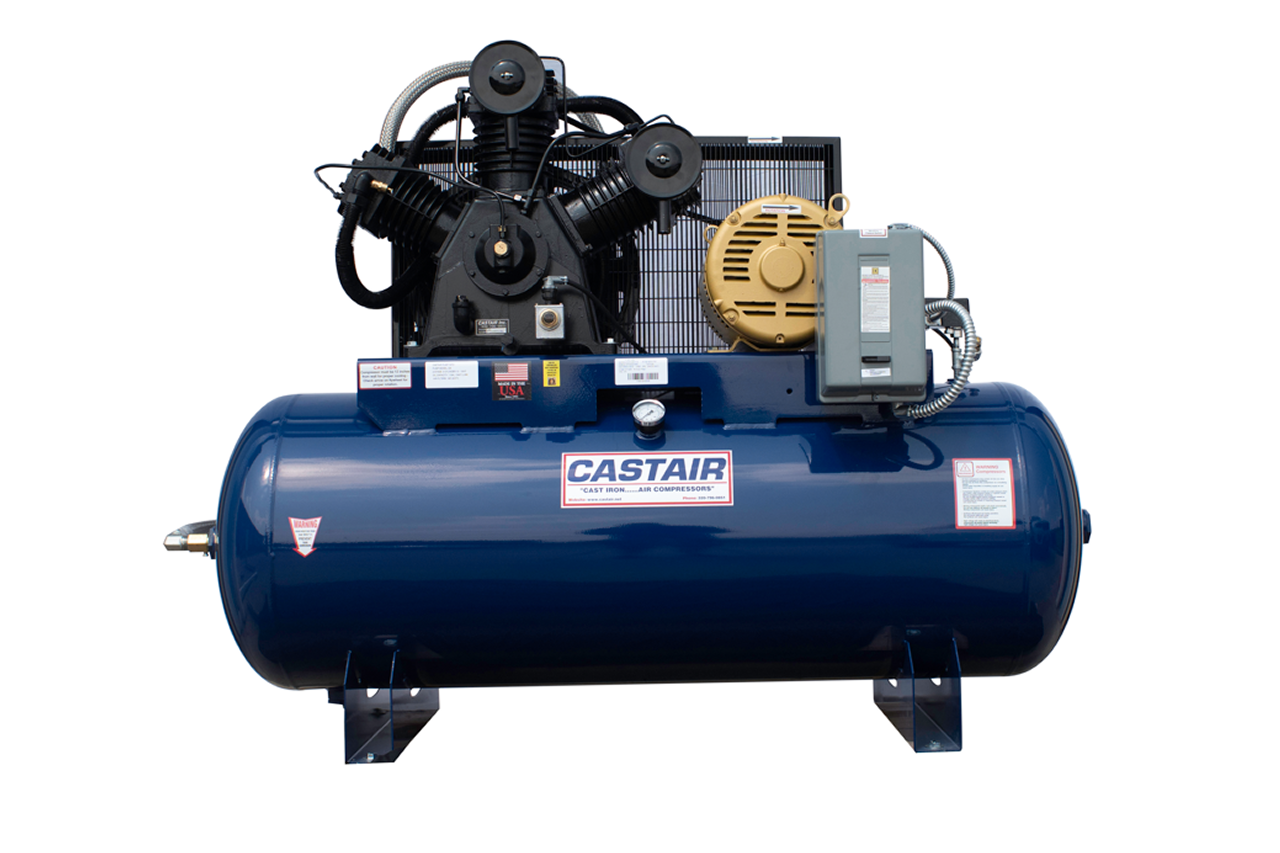
The pressure switch is the primary control of a compressor package: the electromechanical device that starts and stops the motor on system pressure, closing the control loop. It lives in the Sensing & Feedback layer, wired between the supply and the motor (or the starter coil), and it is what turns a compressor from a motor that runs forever into a machine that fills the tank, shuts off, and refills on demand. Cut-in pressure starts it; cut-out pressure stops it; the spread between them is the differential. On a reciprocating package the switch almost always carries an integral unloader valve that bleeds head pressure off the pump at shutdown so the motor restarts unloaded; leave it off and the motor stalls against trapped pressure on the next start. This is a mechanical on/off switch, not a transducer: it makes and breaks line-voltage contacts, it does not send a 4-20mA signal.

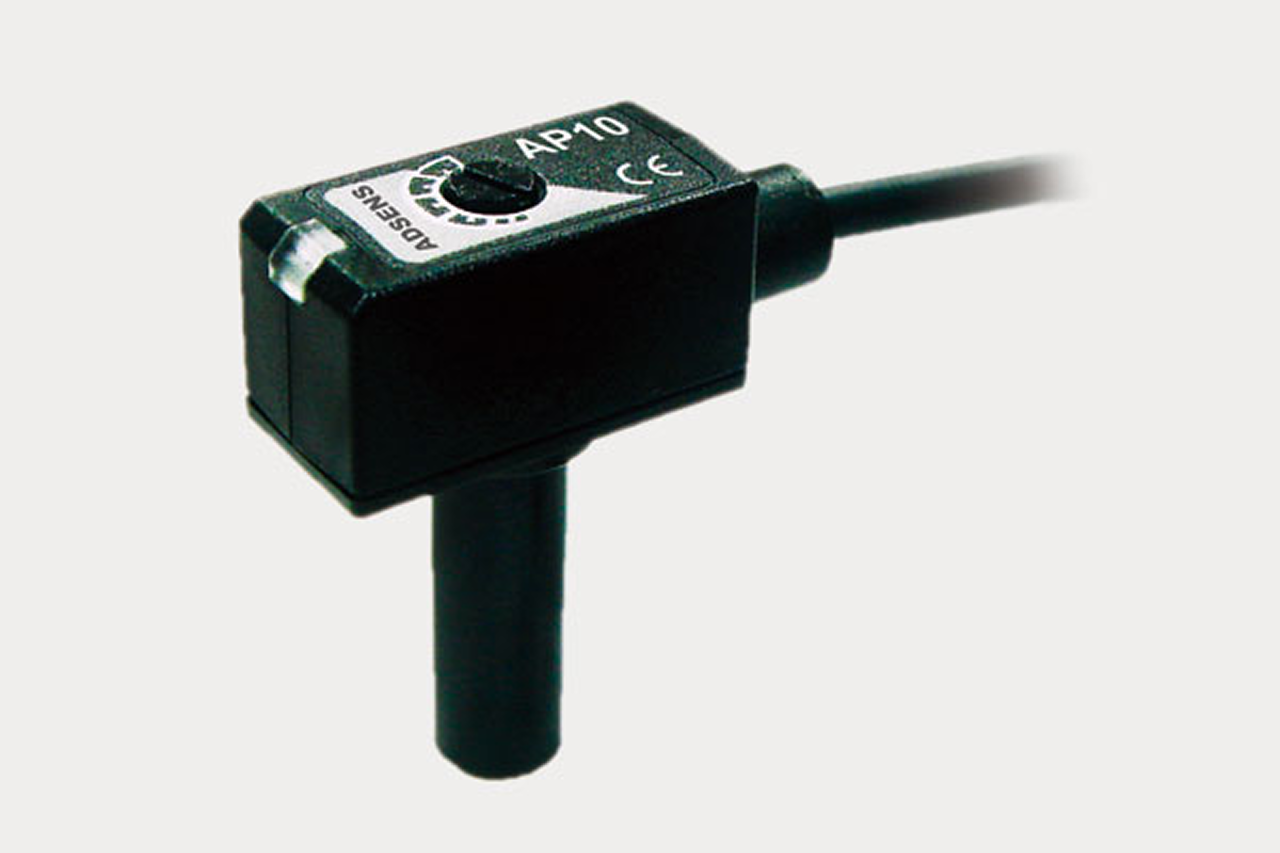
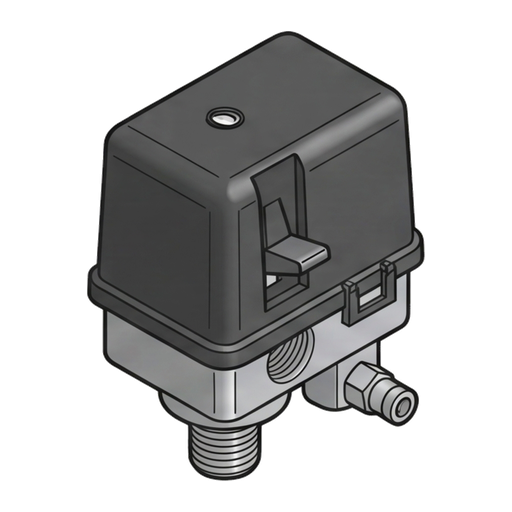
Pictorial Representative pressure switch
Pressure Switch — representative illustration
Real-world reference Representative pressure switch
Pressure Switch — representative product photo
Why it's needed

Why this matters.

When a pressure switch is the right call, how to match it, and where the wrong one stalls the machine. Review the points below.

01 · Key point
It closes the control loop.

The switch is what makes a compressor a machine instead of a motor that runs forever. Cut-in starts it, cut-out stops it, and the differential between them sets how often it cycles. On most reciprocating packages this is the only control on the unit; it has to be right.

02 · Key point
Match the contacts to the motor.

The switch carries motor current on small machines; its HP / FLA rating must cover the motor nameplate at the supply voltage. Under-rate it and the contacts pit, weld, and chatter, which is hard on the motor and the contactor behind it.

03 · Key point
It is a switch, not a transducer.

This is a mechanical on/off device with line-voltage contacts: it makes and breaks the motor circuit. It does not output a 4-20mA signal. If the customer needs a continuous reading for a PLC or VFD, that is a pressure transducer, a different part entirely.

04 · Pro tip
Big motor? Pilot a starter.

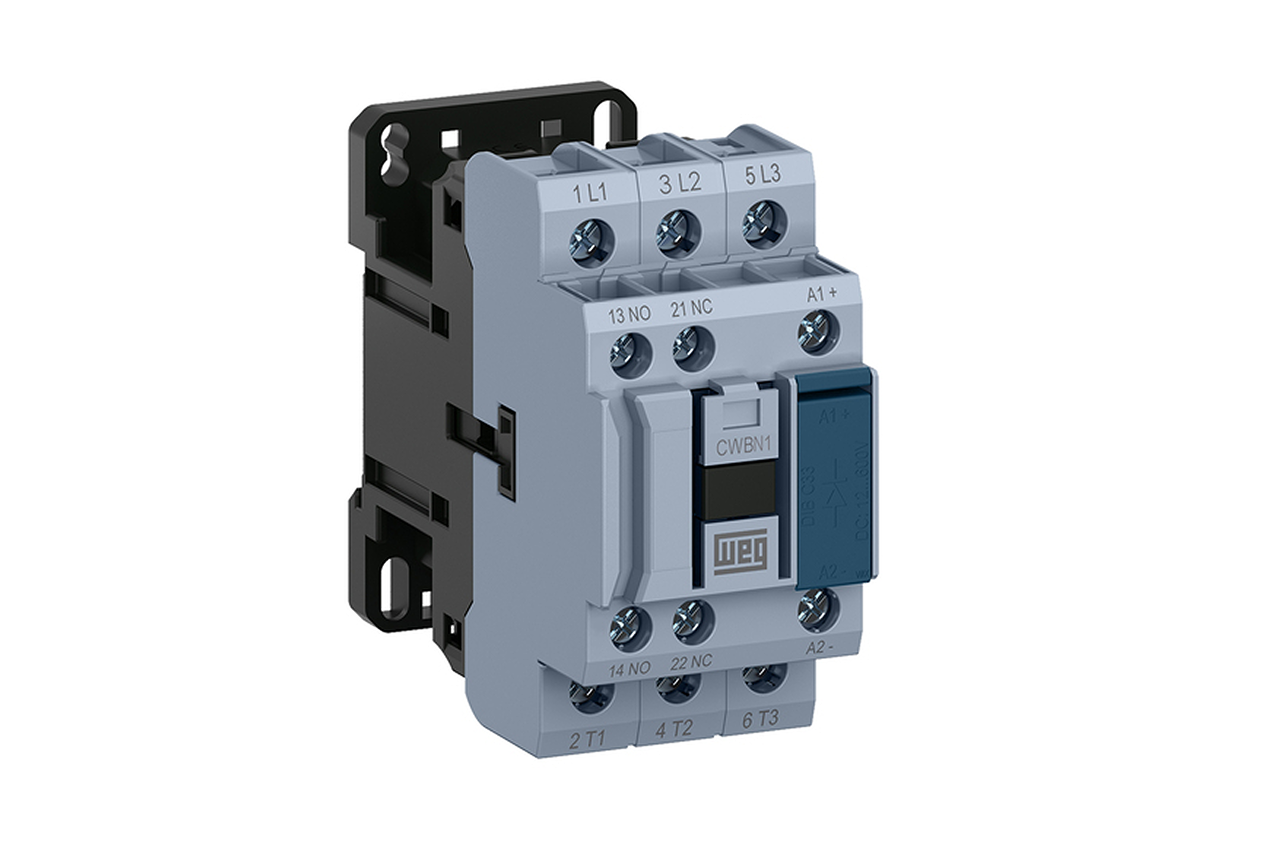
Roughly above 5 HP, don''t switch motor current through the pressure switch, wire it as a pilot to a magnetic starter coil. The starter carries the load and its overloads protect the motor. The switch lasts, and the motor gets real overload protection.

05 · Where it bites
No unloader on a reciprocating pump.

A recip stops with head pressure trapped in the pump. Without the integral unloader bleeding it off at shutdown, the motor restarts against that pressure, can''t develop starting torque, and stalls and trips. → On any reciprocating compressor, the unloader is mandatory, not optional.

06 · Where it bites
Cut-out above the relief setting.

Set cut-out below the tank''s relief-valve setting with margin, or the relief pops every cycle and the switch never stops the machine. → Confirm the relief setting and set cut-out under it; the differential lives between cut-in and that ceiling.

07 · Where it bites
Wrong enclosure for the room.

A NEMA 1 switch in a washdown or corrosive room corrodes the contacts and the diaphragm fails early. → Spec NEMA 4 / 4X for washdown, coastal, or chemical air, and flag the environment on the RFQ so the quote isn''t a callback waiting to happen.

Technologies within this type

Which technology — and when to choose it.

Same job: start and stop the compressor on pressure, but the contact rating, the unloader, and the reset behavior decide whether the switch runs the motor directly or pilots a starter, and whether the machine restarts at all. Match these to the motor and the pump, along with the pressure band.

Direct line-voltage vs pilot-duty

Small motors (roughly 5 HP and under) switch motor current directly through the switch contacts; match the switch HP/FLA rating to the motor nameplate. Above that, the switch pilots a magnetic starter coil; the starter carries the load and the overloads protect the motor. Wiring a big motor straight through a switch welds the contacts.

With integral unloader vs without

On a reciprocating compressor the unloader is mandatory, it bleeds head pressure off the pump at shutdown so the motor restarts against no load. Rotary screw and most other airends handle unloading internally and use a switch without the unloader port. Spec the wrong one on a recip and the motor stalls and trips on every restart.

Auto/off vs manual-reset safety

Standard switches have an auto/off lever and cycle automatically on pressure. Manual-reset versions latch out after a trip and require a human to restart, used where an unattended restart is a hazard, or paired with a low-oil / high-temp cutout that should hold the machine down until someone investigates.

Key selection criteria

What we need to spec it right.

From the machine spec sheet to the part number. Answer what you know, leave the rest blank, and send.

04Choose your priority  ·  core differentiator

Whatever your lever — performance, value, or price — SPC has the right brand.

Pick the priority; the quote desk handles the cross-reference.

01 Performance 3 brands
03 Price 1 brand
Where it's used

Industries served.

Each industry below uses this product across the listed areas. Open an industry to see how it fits the rest of its system.

Also applies to Reciprocating compressor packages · Compressor rooms and service benches · Larger motors piloting a magnetic starter · Duplex and triplex rooms · OEM and equipment rebuilds

Install · 6 critical steps

The things that matter on the first install.

Step 01
Confirm the airend before anything ships
Reciprocating needs the integral unloader; rotary screw and most others do not. The wrong one either stalls the motor on restart (recip without unloader) or vents air every cycle (unloader on a machine that unloads internally). This is the first check, not the last.
Step 02
Match the contacts to the motor, or pilot a starter
On a small motor, confirm the switch HP/FLA rating covers the motor nameplate at the supply voltage and wire motor current through the contacts. On a larger motor, wire the switch as a pilot to the magnetic starter coil and let the starter carry the load. Don't switch a big motor straight through the switch.
Step 03
Set cut-out below the relief, then set the differential
Set cut-out with margin under the tank relief-valve setting, set cut-in to the lowest usable system pressure, and confirm the differential against a calibrated gauge through a full cycle. A cut-out at or above relief means the relief pops every cycle and the machine never stops.
Step 04
Plumb the unloader line and verify the bleed
On a recip, run the unloader line from the switch port to the pump head, then watch a shutdown, head pressure must audibly bleed off within a second or two so the next start is unloaded. No bleed means the motor restarts against trapped pressure.
Step 05
Confirm the enclosure suits the room
NEMA 1 for a clean indoor compressor room; NEMA 4/4X where there's washdown, coastal salt, or corrosive air. A NEMA 1 switch in a wet or chemical room corrodes the contacts and fails the diaphragm early.
Step 06
Cycle-test and document the band
Run the machine through several full cycles, confirm clean cut-in and cut-out with no chatter, verify the auto/off lever and any manual-reset / safety cutout function, and record the commissioned cut-in / cut-out so future drift is measurable.
Troubleshoot · top failures

Most returns trace to one of these causes.

Symptom
Most likely cause
Fix
Compressor won't restart, hums and trips on start (reciprocating)
Head pressure trapped in the pump, the unloader isn't bleeding it off at shutdown, so the motor restarts against load and can't develop starting torque. Plugged unloader line, failed unloader valve, or a switch quoted without the unloader.
Confirm the switch has a working integral unloader and the line to the pump head is clear. Watch a shutdown, head pressure should bleed audibly. If the switch has no unloader on a recip, it's the wrong part; replace with the unloader version.
Compressor won't shut off / overpressures and pops the relief
Switch isn't reaching cut-out; set band drifted, contacts welded closed, or cut-out is set at or above the tank relief setting.
Check cut-out against a calibrated gauge. If the contacts are welded (often from an under-rated switch on too large a motor), replace the switch and verify the contact rating against the motor FLA. Confirm cut-out sits below the relief setting.
Switch chatters or cycles too rapidly
Differential set too tight, a system leak dragging tank pressure down through the cut-in point, or a failing diaphragm.
Widen the differential to a sane spread. Find and fix the leak that's bleeding the tank. If the band is correct and the system is tight, the diaphragm is failing, replace the switch.
Contacts pitted, burnt, or welded
Switch contact rating undersized for the motor, or the motor is being switched directly when it should pilot a starter. Each start arcs the contacts; an under-rated switch burns them down fast.
Verify the switch HP/FLA against the motor nameplate. On a larger motor, re-wire as a pilot to a magnetic starter so the starter carries the load. Replace the burnt switch.
Set band drifts off over time
Spring fatigue or diaphragm wear: the switch loses calibration and cut-in/cut-out wander from the set points.
Re-set against a calibrated gauge once; if it drifts again, the diaphragm or spring is worn and the switch is at end of life. Replace it.

Get the right pressure switch on quote in 24 hours.

Send us the application — a specialist routes you to the correct tier with a configured part. Lead-times and pricing returned within one business day.

Open quote engine ↑