DISTRIBUTOR-FIRST SUPPLY PARTNER · SINCE 1999 Live · Product System

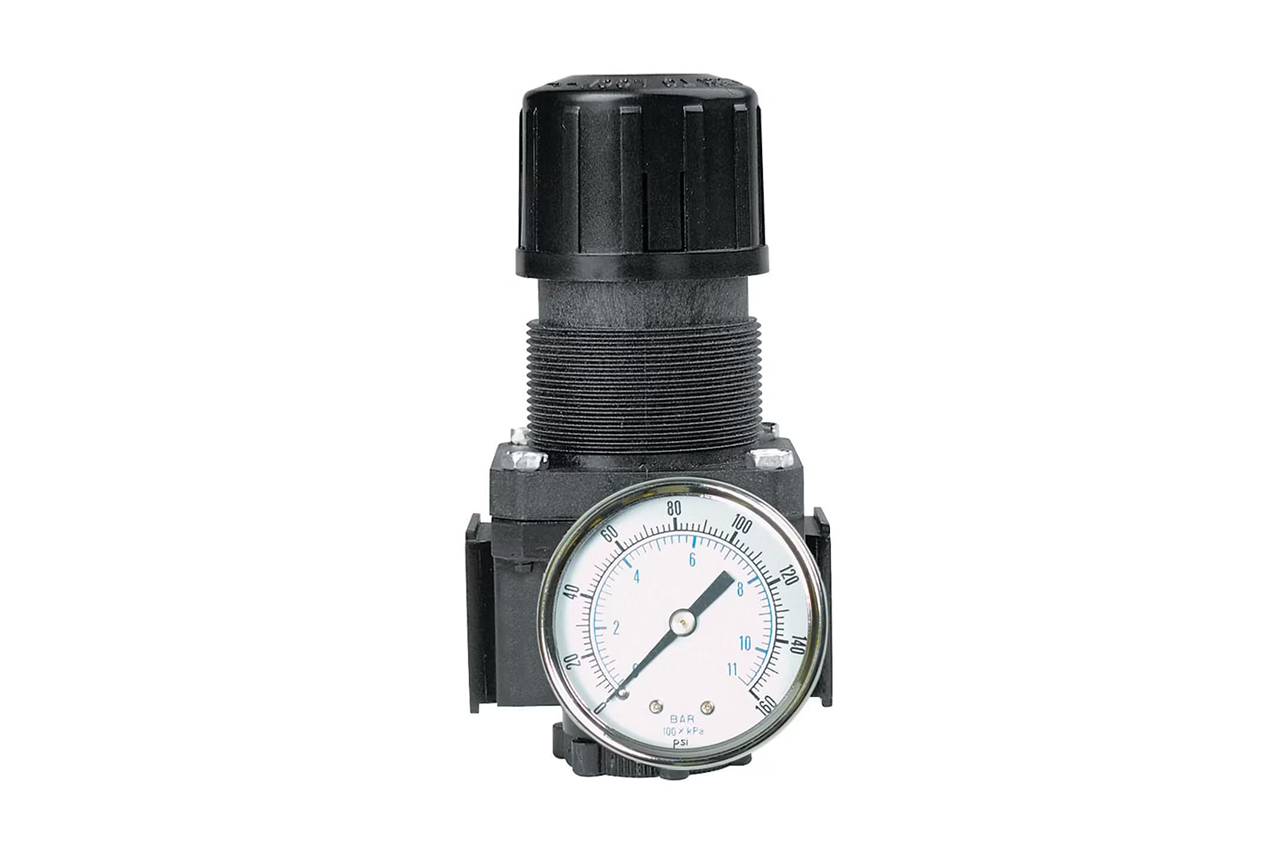
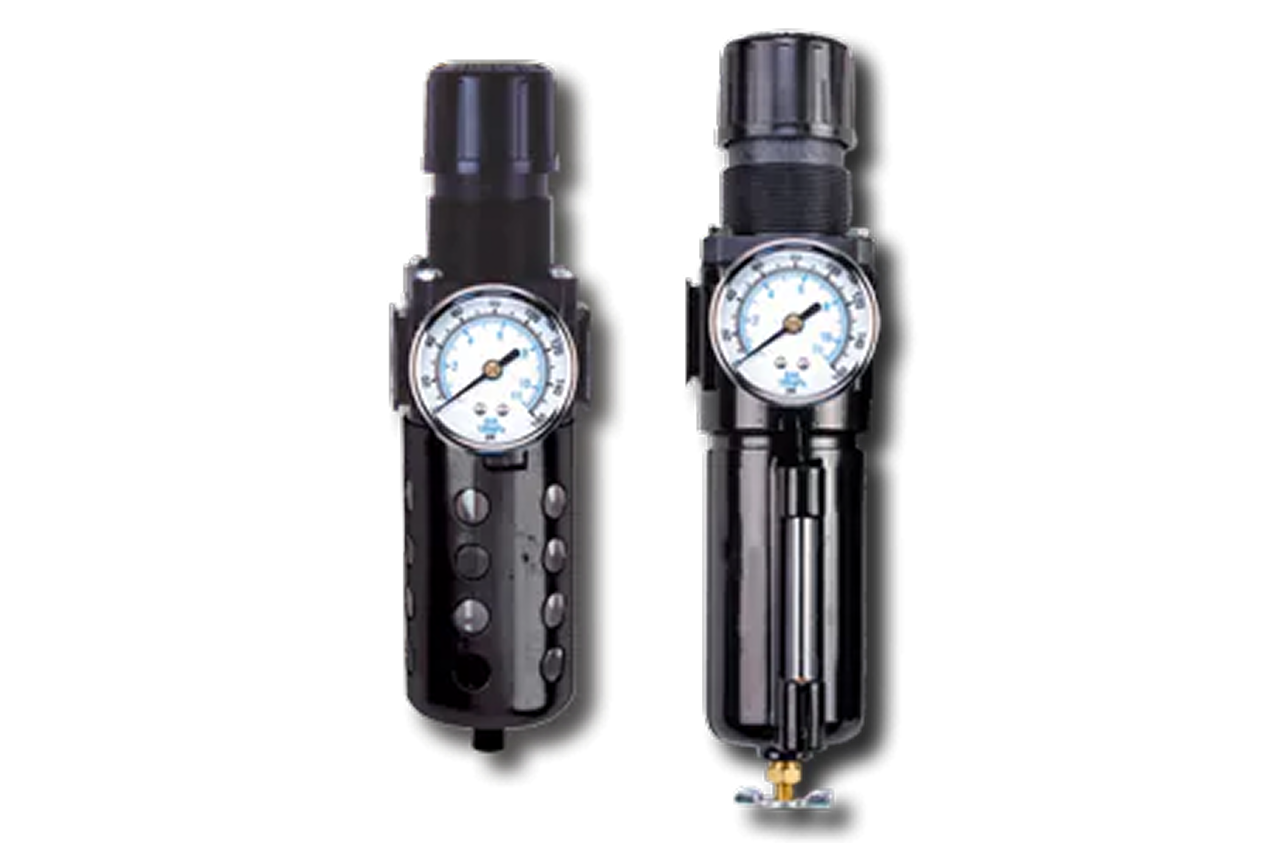
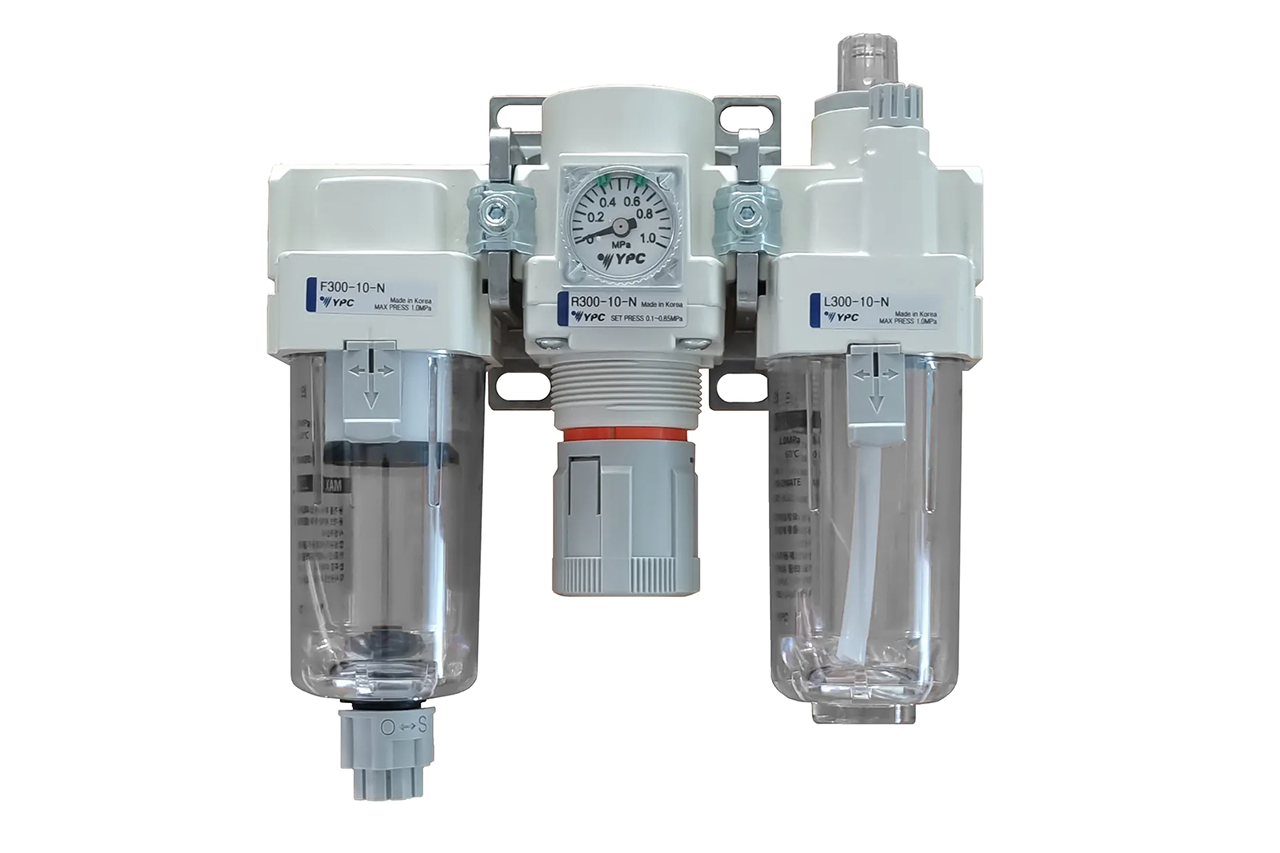
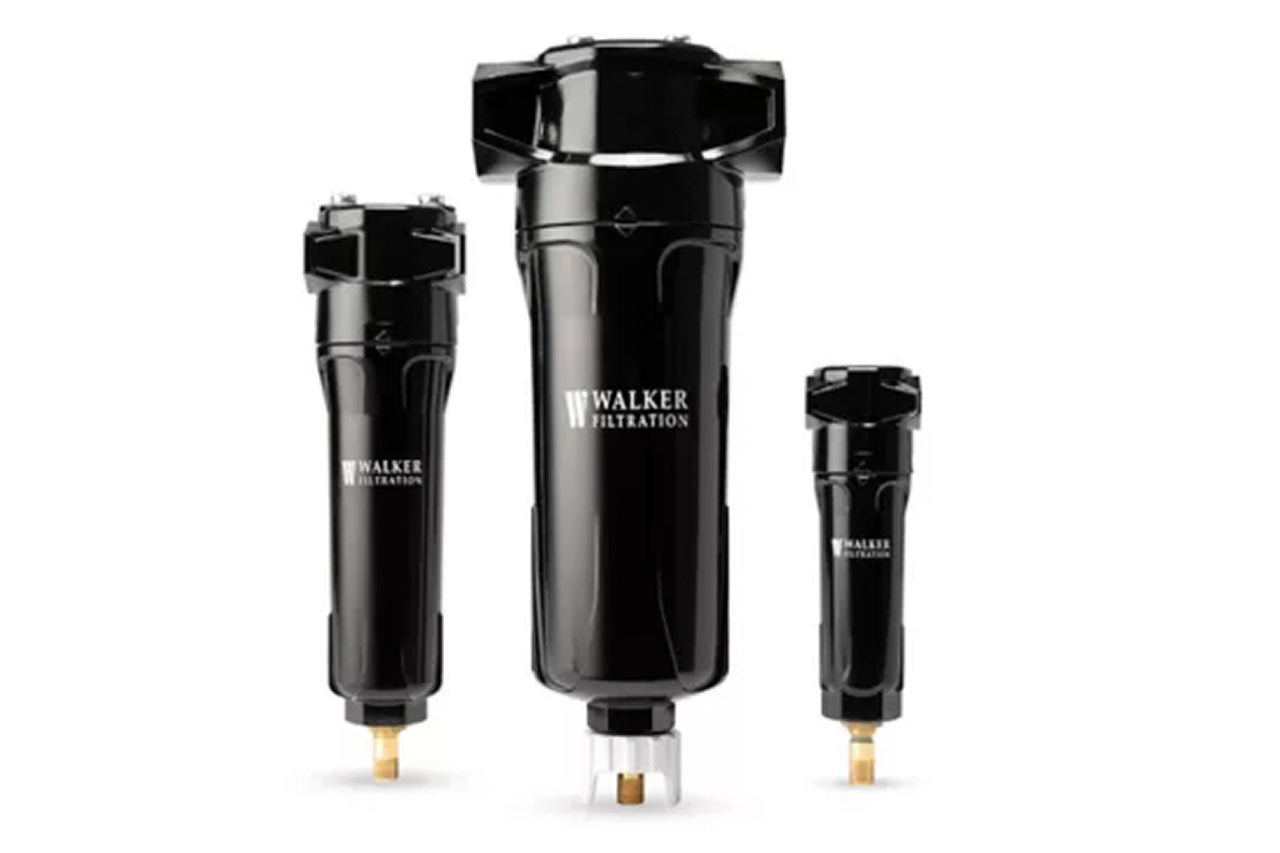
The filter stage of air preparation sold as an individual modular unit. It removes the moisture droplets, oil aerosol, and particulate that the central filtration train did not catch, or that the air picked up again, as rust and pipe scale, on the run to the machine. Two mechanisms work together: centrifugal action spins free water and heavy condensate out of the air stream, and a filter element traps particulate as the air passes through it. Coalescing-grade elements add a third mechanism, merging fine oil aerosol into droplets large enough to drop out. As a standalone unit the filter is used to build a custom modular air-prep train, to add filtration capacity or a finer grade to an existing assembly, or to replace just the filter stage of a modular FRL without disturbing the regulator and lubricator. Filtration grade is matched to how sensitive the downstream equipment is, a general machine drop and a paint or instrument application need very different elements. It sits first in the air-prep order, ahead of the regulator, so the regulator and everything downstream see already-cleaned air.
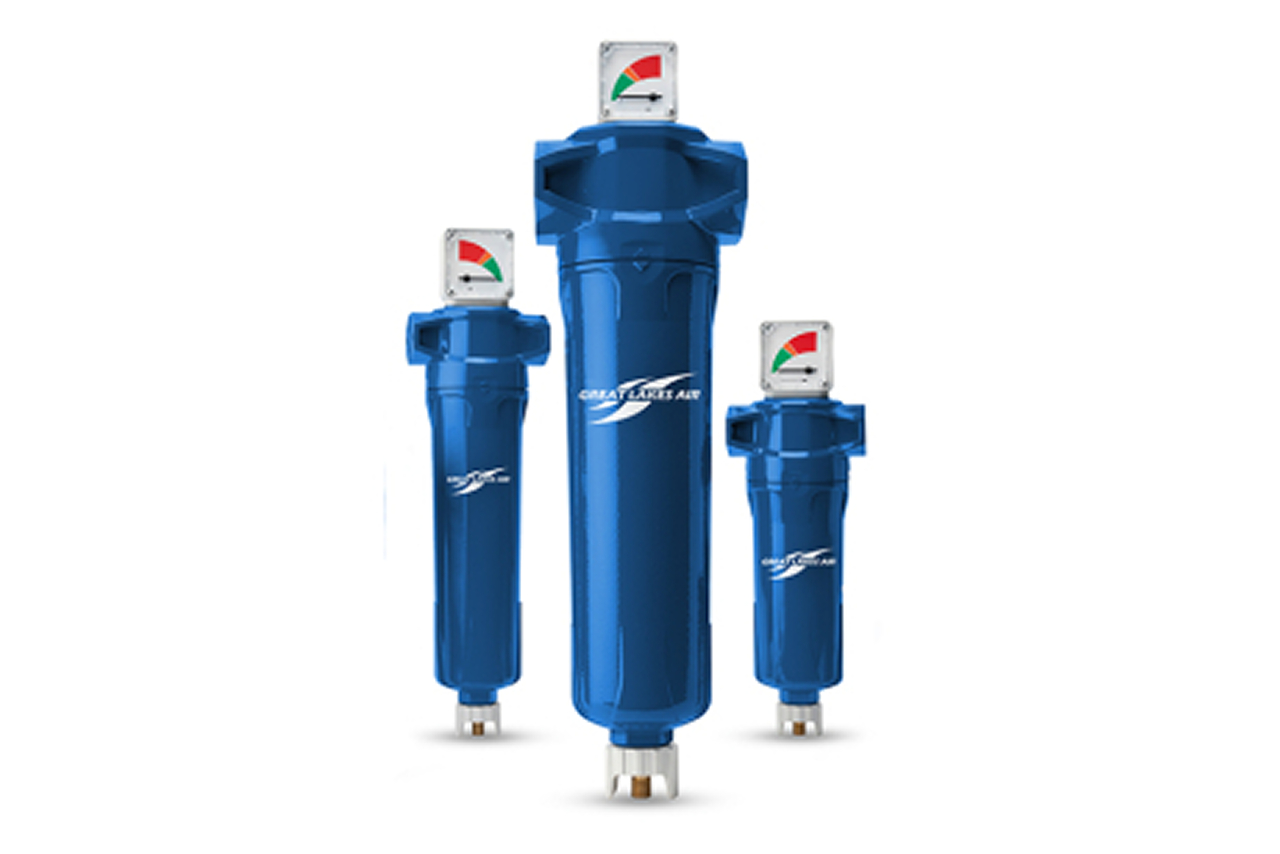
When the standalone filter is the right call, and when to step up or split. Review the points below.
Central plant filtration can't fix what the air picks up on the run, rust flakes, pipe scale, re-condensed moisture, oil aerosol past the central coalescer. The standalone F at the machine inlet catches all of it.
Standalone form lets you spec filtration grade and bowl size separately from the regulator. Build a custom modular train, add a coalescing stage on one branch, or upgrade just the F on an existing F+R+L.
Standalone F + standalone R = field-built F+R: used when filter and regulator need to live at different points in the run, or be sized differently than a combination body allows.
Housing is commodity; the element micron rating is the spec lever. General drops = 5-micron particulate; paint, lab, instrument = 0.01-micron coalescing; odor/VOC = activated carbon. Each step up is 3–5× the element ASP.
General-purpose particulate doesn't capture oil aerosol, it goes straight through to the paint gun or sensor. → Switch to coalescing 0.01-micron on any drop where finish quality or instrument accuracy is on the line.
If filter and regulator can live at the same point and same body size, the integrated F+R is cheaper and more compact. → Re-spec to a filter-regulator; standalone F is only correct when there's a reason to keep the stages separate.
When the application only needs free water knocked out (no particulate or oil-aerosol concern), the standalone F adds pressure drop you don't need. → Switch to a centrifugal water separator: lighter, lower-pressure-drop, no element to replace.
From the machine spec sheet to the part number. Answer what you know, leave the rest blank, and send.
Pick the priority; the quote desk handles the cross-reference.
Answer once. Pick every brand you want priced, and we quote each one on the same spec.
Each industry below uses this product across the listed areas. Open an industry to see how it fits the rest of its system.
 Automotive Manufacturing →
 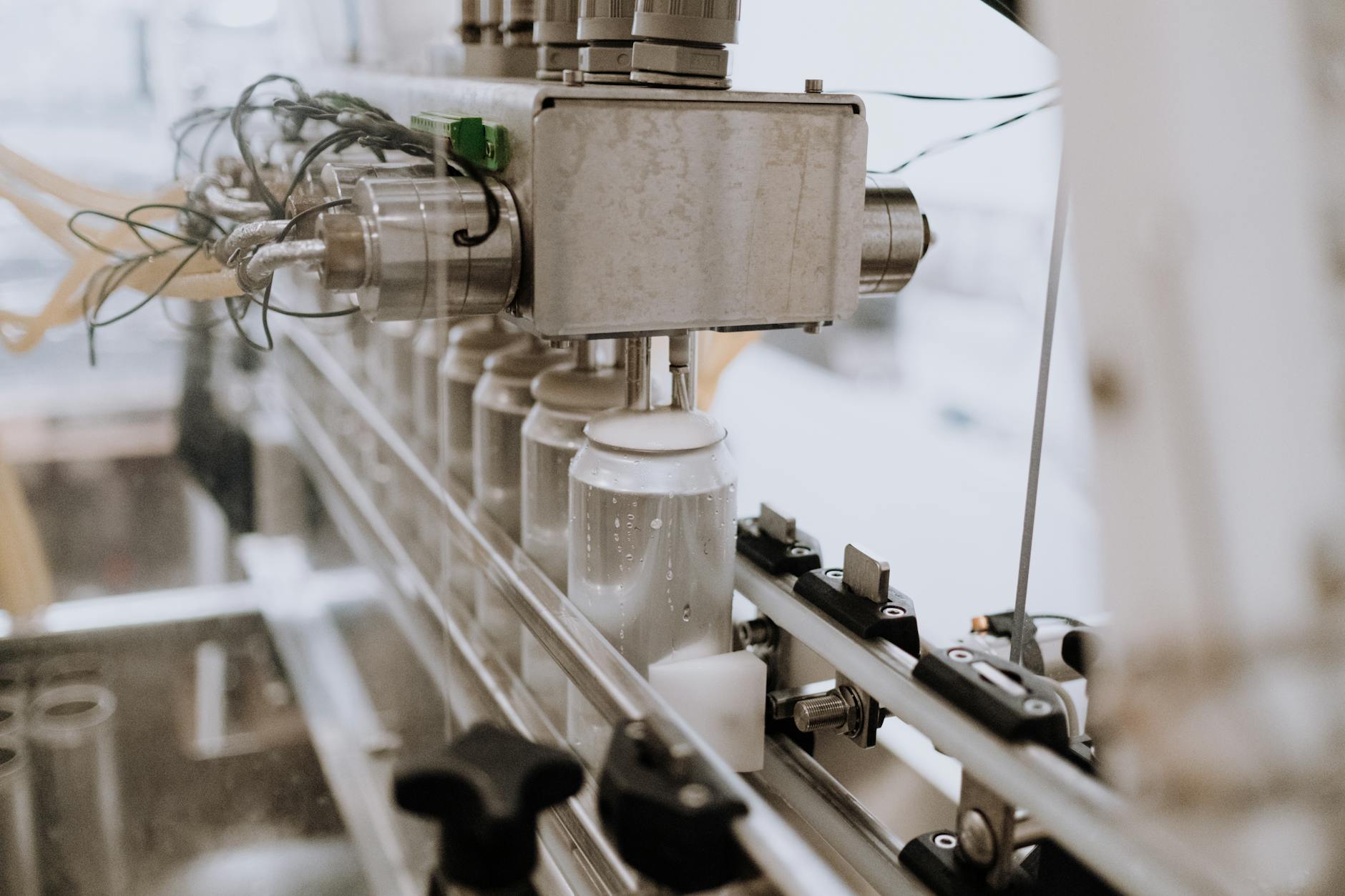 Food & Beverage Processing →
  Pharmaceutical, Medical Device & Laboratory →
 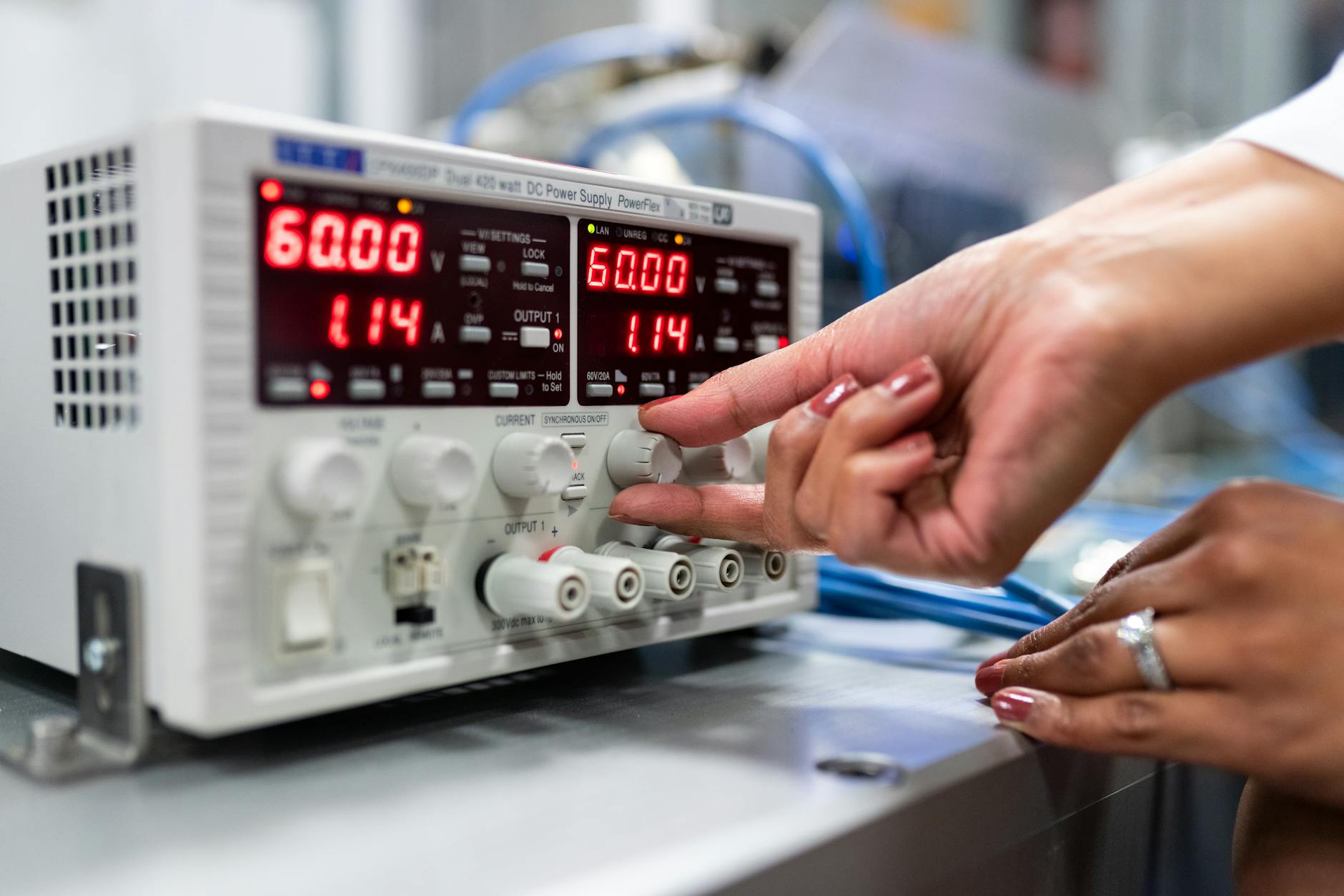 Electronics & Semiconductor →
 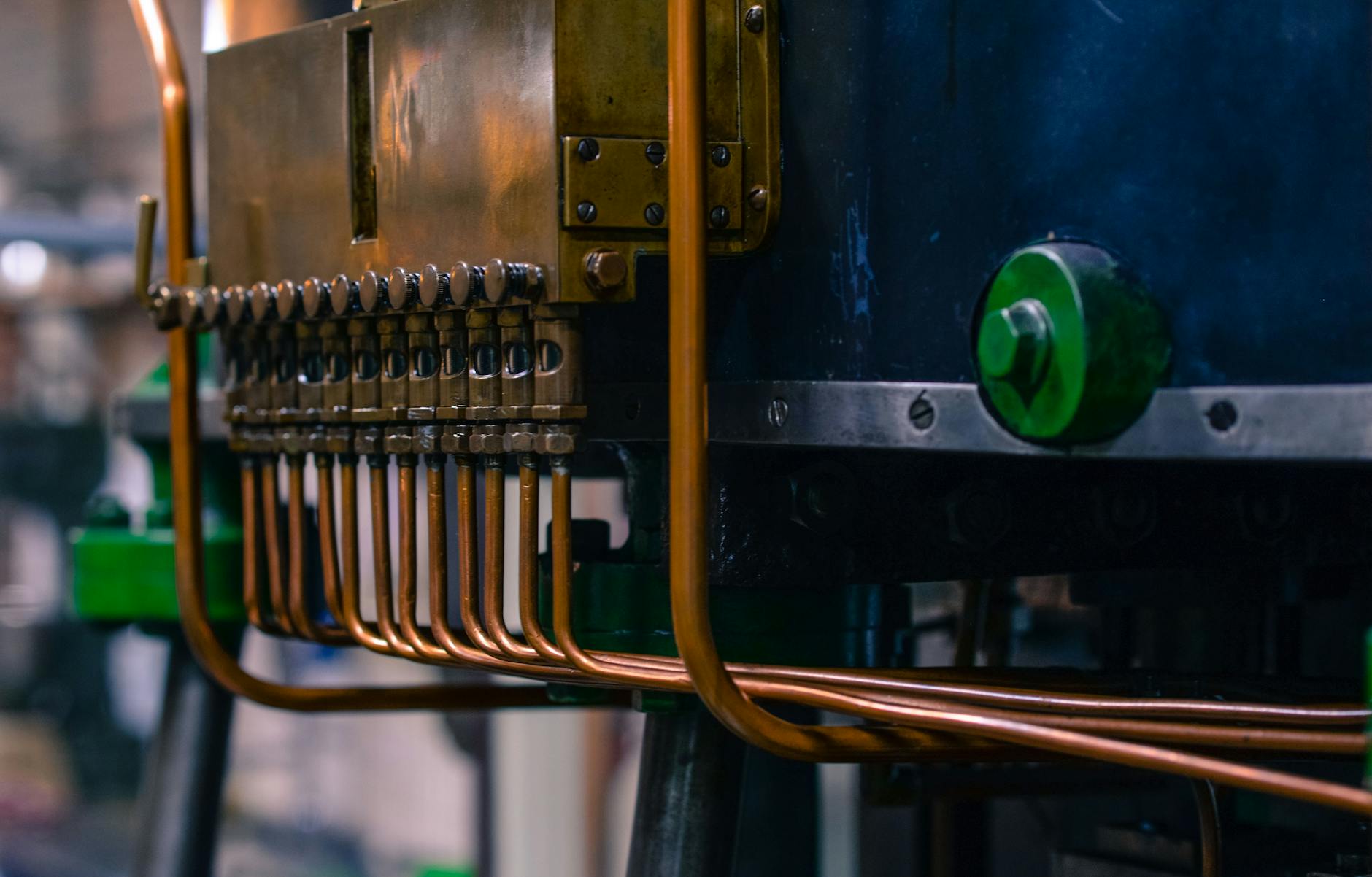 Metalworking & Fabrication →
 Also applies to Every modern machine drop · Coalescing F (0.01-micron) mandatory · Retrofit on legacy equipment with marginal central air · Vacuum-generator and ejector supply · Sub-circuit branches on big-machine builds
Every entry is a real product on this site, linked to its page. Quote them on the same line item.
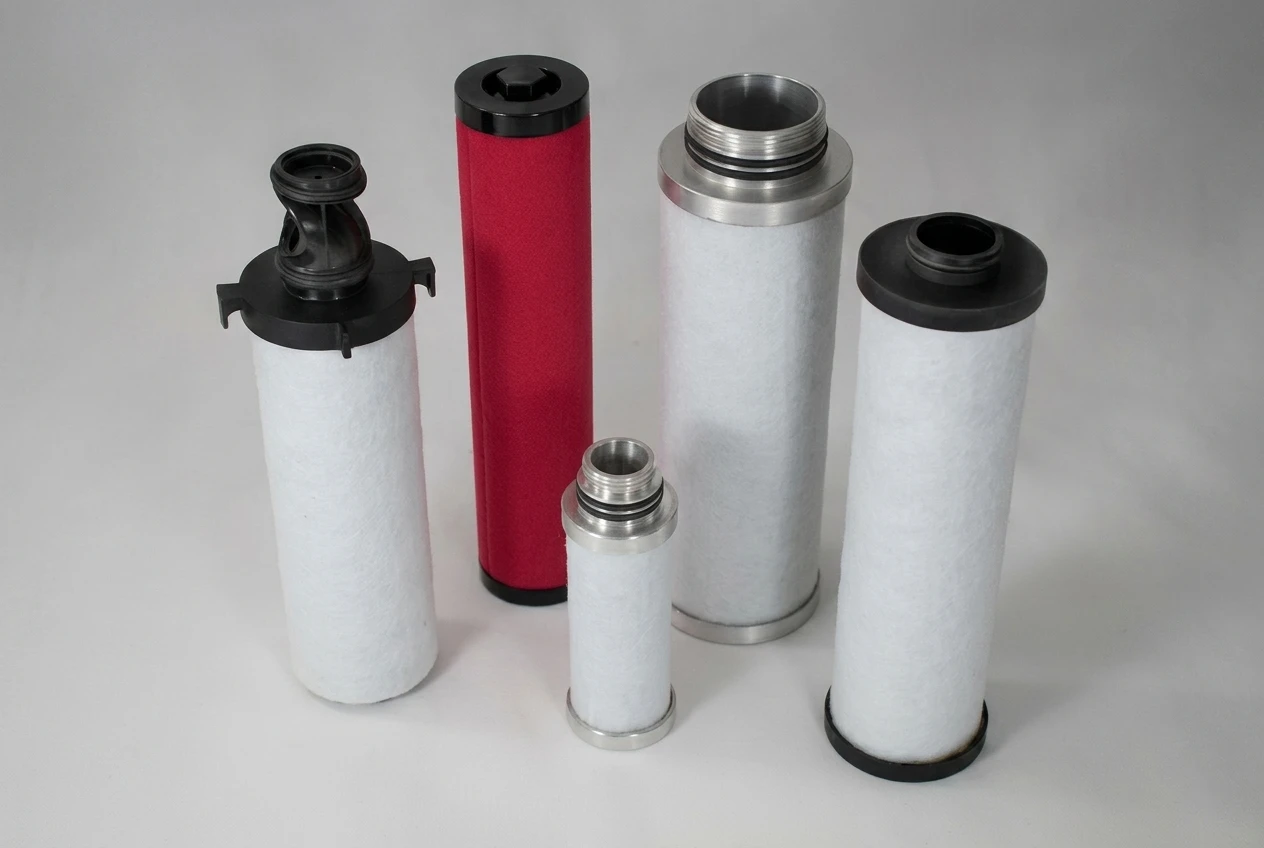
Stock replacement elements by the case on standing PO matched to the customer's filter fleet; element supply-chain delay at change time is downtime on the line, and a case of 12 covers most plants for 6–12 months.
Send us the application — a specialist routes you to the correct tier with a configured part. Lead-times and pricing returned within one business day.
Your quote. We reply within one business day with pricing, lead-time, and configured parts.