DISTRIBUTOR-FIRST SUPPLY PARTNER · SINCE 1999 Live · Pneumatic Automation System

A vacuum cup (suction cup) is the gripping interface between the vacuum circuit and the workpiece, the one component in the entire end-effector sub-system that actually touches the part. It is one quarter of the vacuum end-effector sub-system: ejector + suction cup + vacuum sensor + replacement cup, sold and quoted together as the working unit. The cup mounts on the EOAT (end-of-arm tooling) plate via a stem or push-on fitting, and the ejector lowers the pressure inside the cup so atmospheric pressure (~14.7 PSI) holds the part against it. Holding force = vacuum level × sealed cup area, so cup style is sized from surface geometry and cup count is sized from workpiece weight.
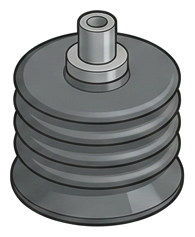
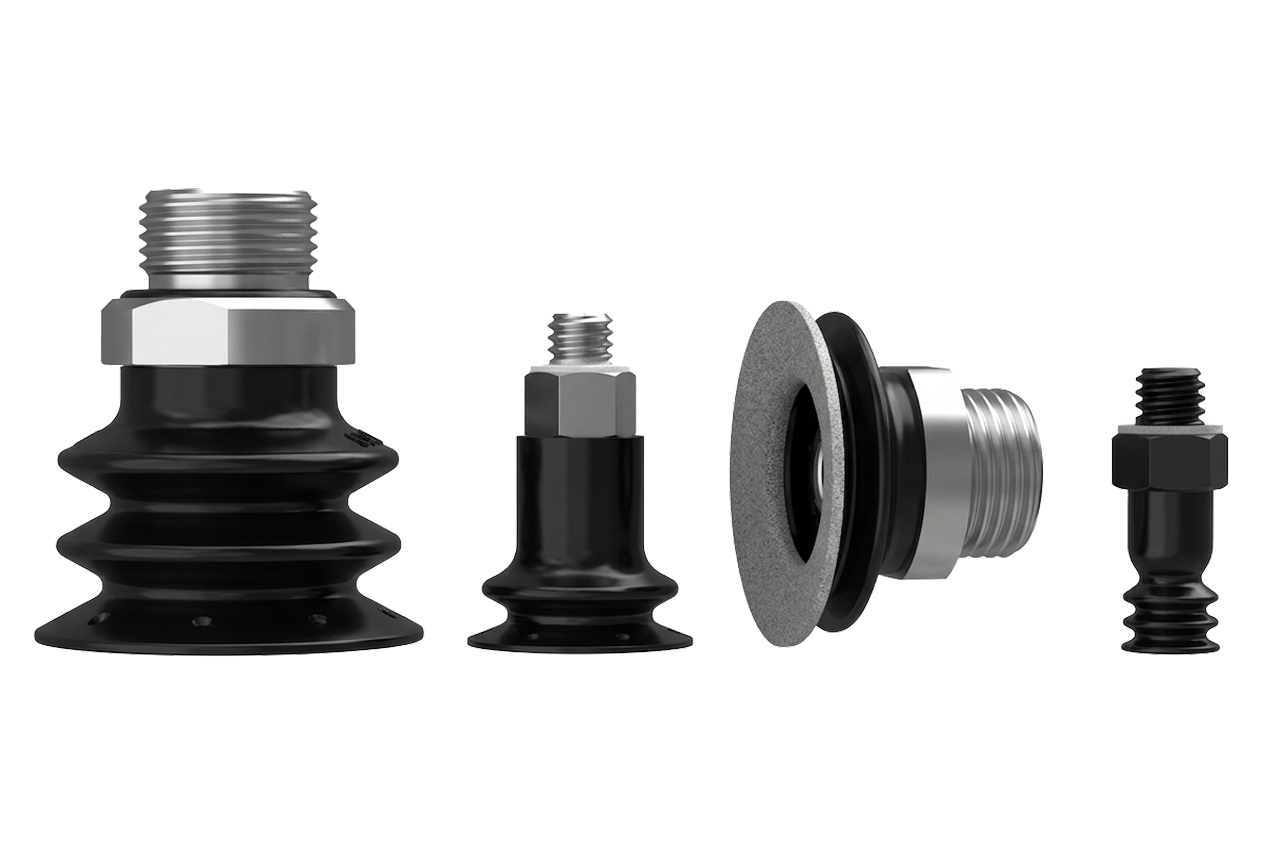
Choose the right cup for the part, and when no cup will do the job. Review the points below.
Flat for smooth rigid stock (sheet, glass, panels). Bellows for curved or uneven parts, the convolutions accommodate height variation. Flat-with-lip for cardboard and bags; oval for long narrow workpieces a round cup can't span.
Force = vacuum level × sealed cup area. A 40 mm flat cup at 80% vacuum on smooth steel holds ~20–25 lbs vertically. Apply a safety factor: 2× smooth horizontal, 4× rough/porous, 8× vertical or overhead.
Every other sub-system component runs for years; the cup fatigues in 3–12 months. Low-dollar item, high-consequence failure mode: a worn lip leaks, vacuum sags, the part drops. Replace on calendar, not on failure.
Nitrile (NBR) for oily metal and general industrial. Silicone for hot parts, food-grade, and delicate surfaces. Urethane for abrasive high-cycle work (press feeds). EPDM for outdoor UV and ozone. Fluorosilicone/FKM for aggressive solvents.
A flat cup leaves a partial seal on any non-flat surface; the rated force evaporates. → Switch to bellows cup for curved surfaces: the convolutions compensate for geometry and recover the catalog hold force.
Cardboard, corrugate, and bagged product bleed air across the fiber the moment the lip seats; a flat cup leaks faster than the ejector can compensate. → Foam-rim or flat-with-lip cup for porous parts, paired with a multi-stage ejector to outrun the bleed.
Nitrile cracks above its rated temperature, fails FDA audit on food contact, and swells in cutting oils. → Re-spec to silicone for hot/food, fluorosilicone for aggressive chemistry, EPDM for outdoor/UV: wrong elastomer fails in weeks instead of months.
From the machine spec sheet to the part number. Answer what you know, leave the rest blank, and send.
Pick the priority; the quote desk handles the cross-reference.
Answer once. Pick every brand you want priced, and we quote each one on the same spec.
Each industry below uses this product across the listed areas. Open an industry to see how it fits the rest of its system.
 Aerospace & Aviation →
  Pharmaceutical, Medical Device & Laboratory →
 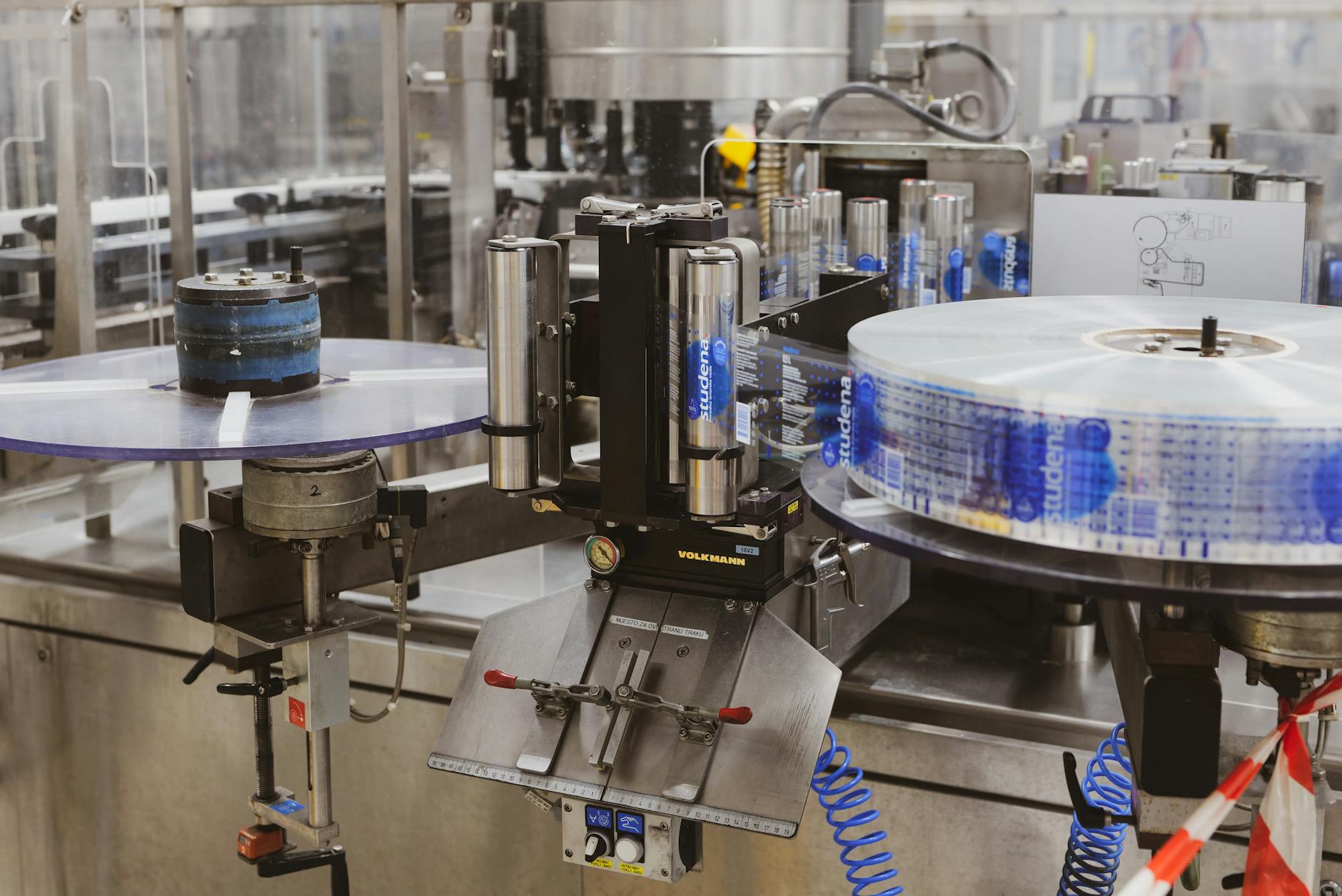 Packaging & Printing →
  Electronics & Semiconductor →
 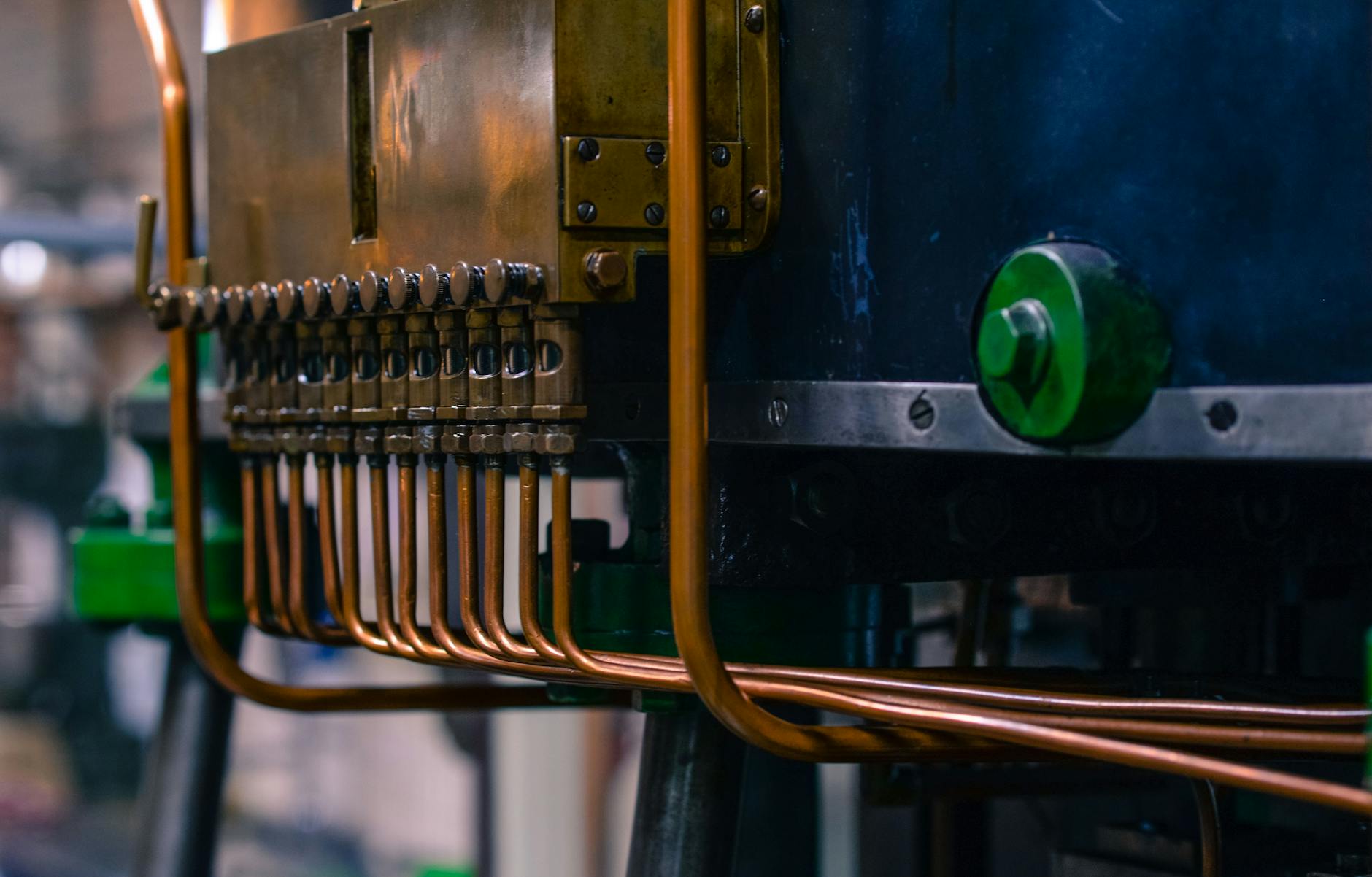 Metalworking & Fabrication →
 Also applies to End-of-arm tooling on robotic pick-and-place cells · Outdoor solar PV installation and field service
Every entry is a real product on this site, linked to its page. Quote them on the same line item.
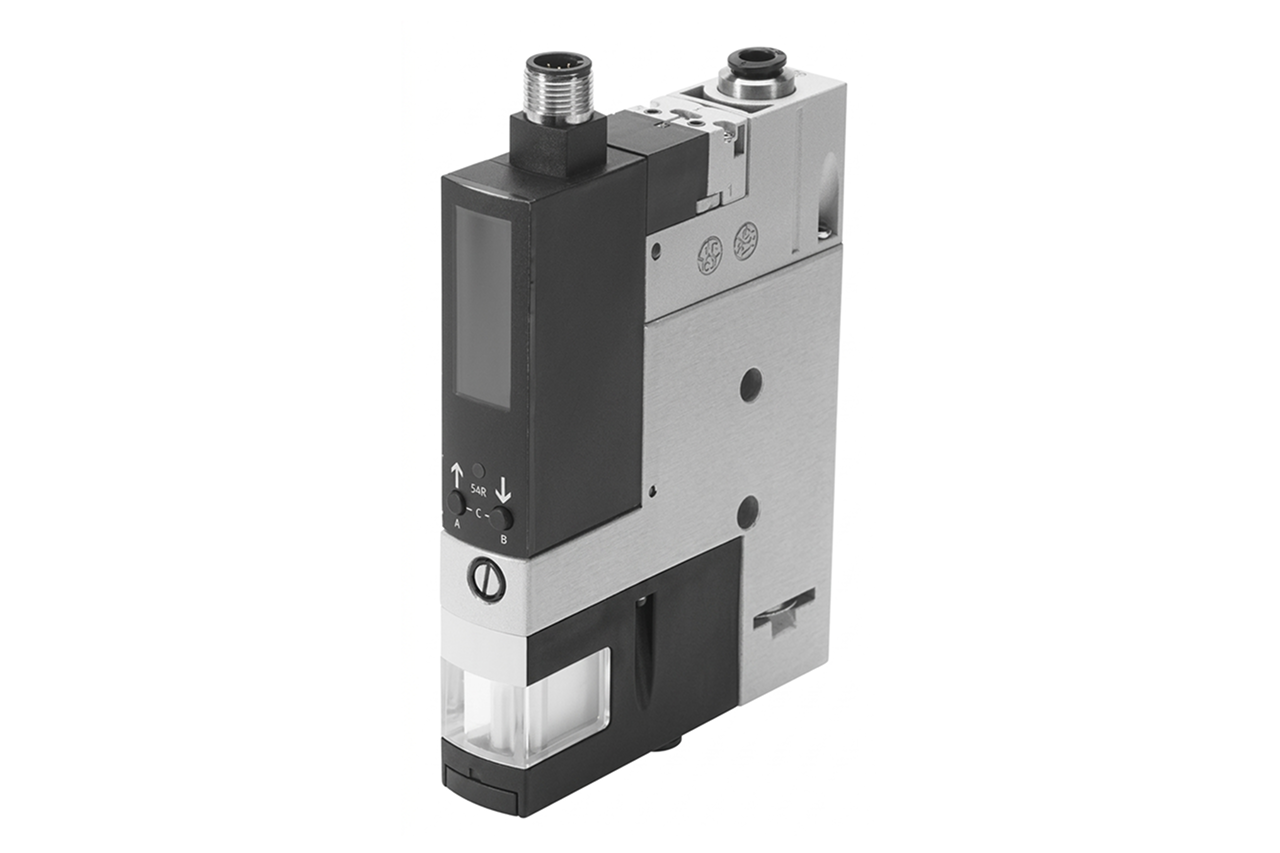
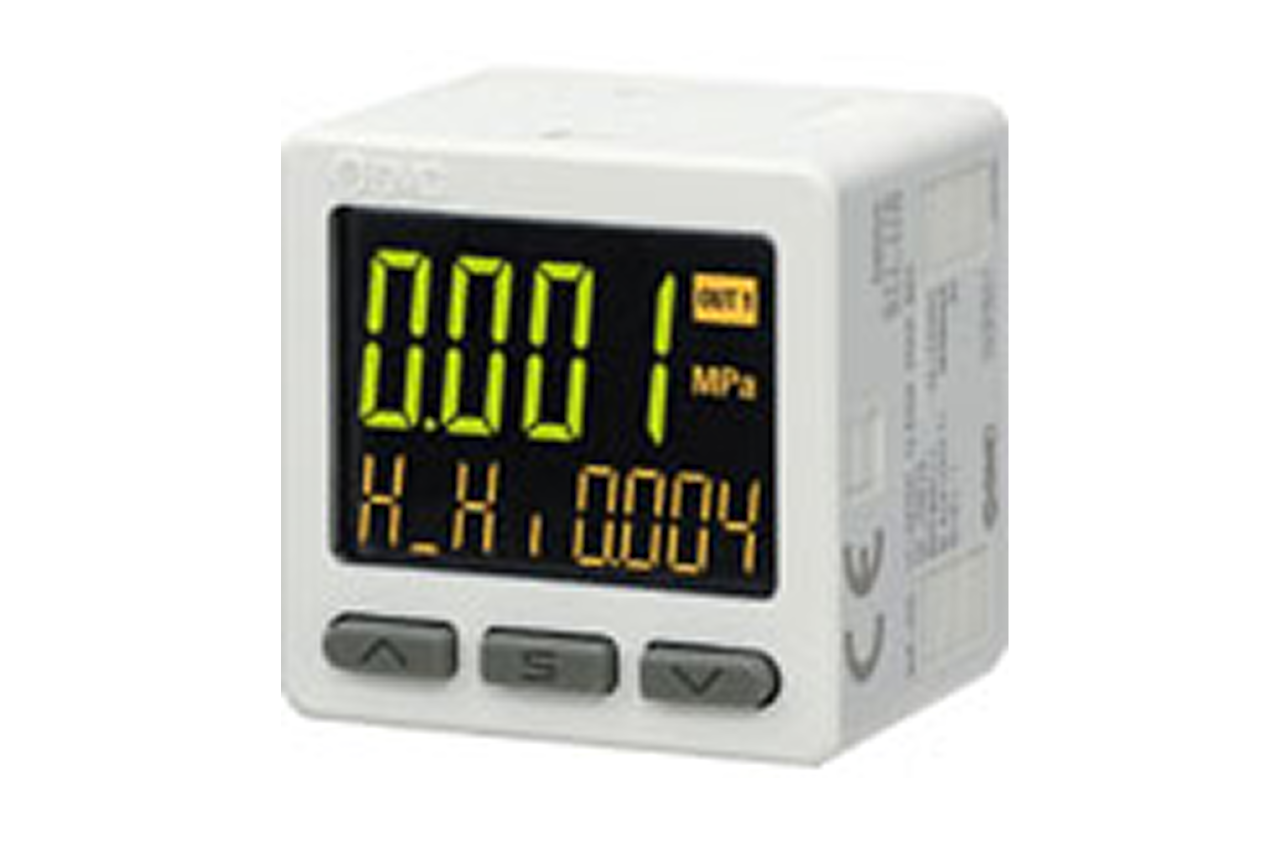
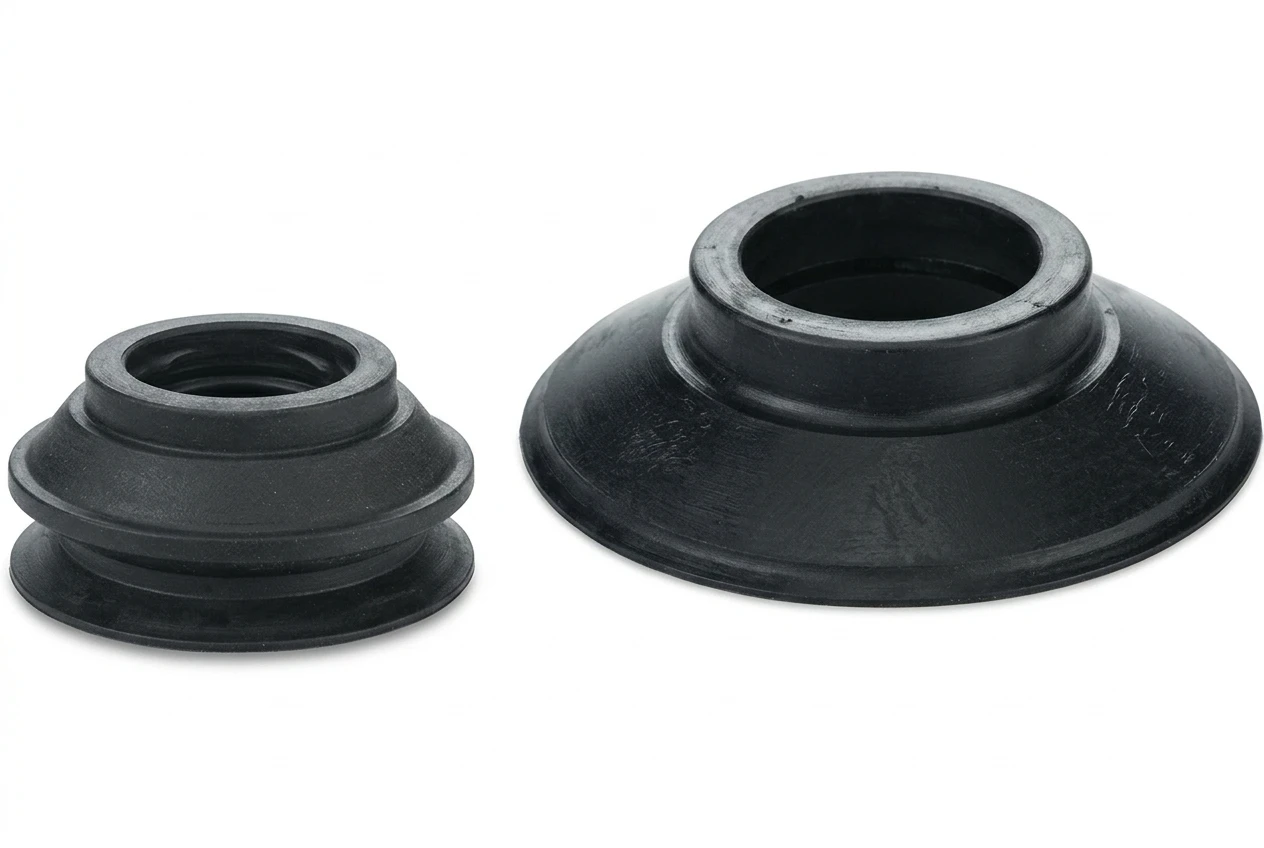
Cups are the wear item on the vacuum side, replaced on a 3-12 month calendar. Stock at least one full array replacement per active EOAT plate, plus a 30-day reorder cycle on the matching replacement-vacuum-cup SKU. An 8-cup plate replaced every 6 months = 16 units/year per plate.
Send us the application — a specialist routes you to the correct tier with a configured part. Lead-times and pricing returned within one business day.
Your quote. We reply within one business day with pricing, lead-time, and configured parts.